
Metrics that matter: How Ottawa is transforming streets for happiness
Can adding street furniture, shade, and greenery along a local main street boost wellbeing? Ottawa conducted a Public Life Study to find out.
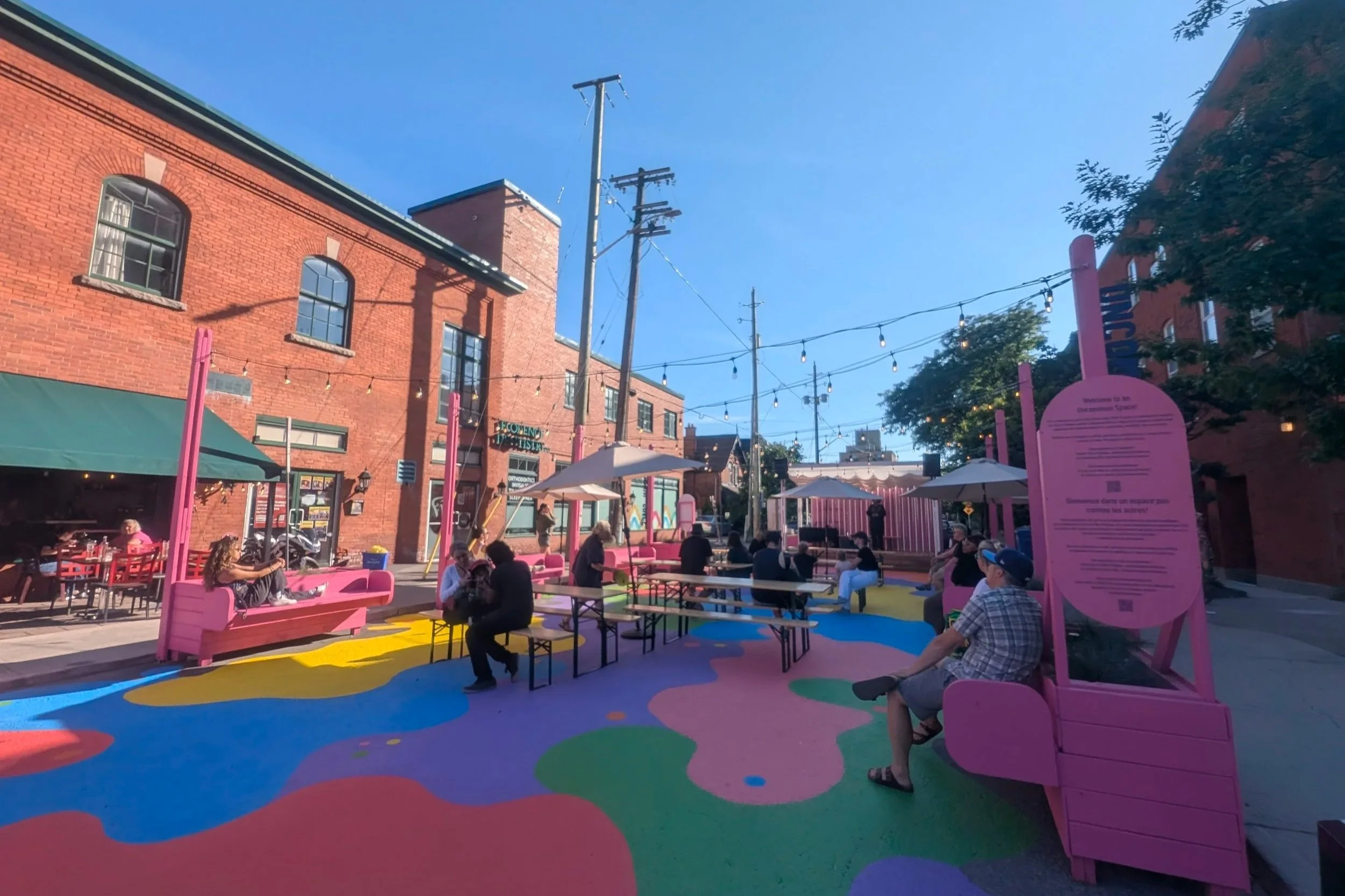
An “Uncommon Space” plaza in Centretown during summer 2025, transformed through the Street Seats Pilot Program. (City of Ottawa)
Happy Cities’ Public Life Study tool equips cities, community groups, and individuals to collect data on the success of their own public spaces—providing a clear picture of how public space transformations impact community wellbeing. For example, can transforming road space into plazas boost trust and belonging among residents? How do open streets really impact local businesses and happiness?
We’re collecting data and stories from across Canada and beyond to assess the impact of public space transformations on community belonging, connection, and inclusion. Through this work, we are building the case for placemaking—to motivate long-term investments in public space.
Measuring the impact of Ottawa’s Street Seats pilot
Over the summer of 2025, the City of Ottawa used the Public Life Study tool to measure how a new placemaking initiative also strengthened trust, joy, and comfort among visitors.
“The Happy Cities Public Life Study provided an easy to follow framework for collecting quantifiable data that helped to tell the story of the impact that placemaking can have,” said Ezra Lipton, Planner II at the City of Ottawa.
Through the Street Seats pilot program, Ottawa converted three sections on side streets along Bank Street—a busy main street—into public spaces for flexible use and programming, separated from vehicle traffic.
The new spaces included seating, greenery, murals, lighting, weather protection, and more. Each Street Seats installation had its own focus. For example, the Florence Street activation included a stage with regular programming. The Frank Street activation was implemented together with a local restaurant—open to the public during the day, and transforming into a restaurant patio space in the evening.
This pilot aimed to support Ottawa’s new Centretown Street Safety & Revitalization Action Plan to create streets that are:
Clean and inviting
Green and resilient
Safe for all users
Fun and vibrant
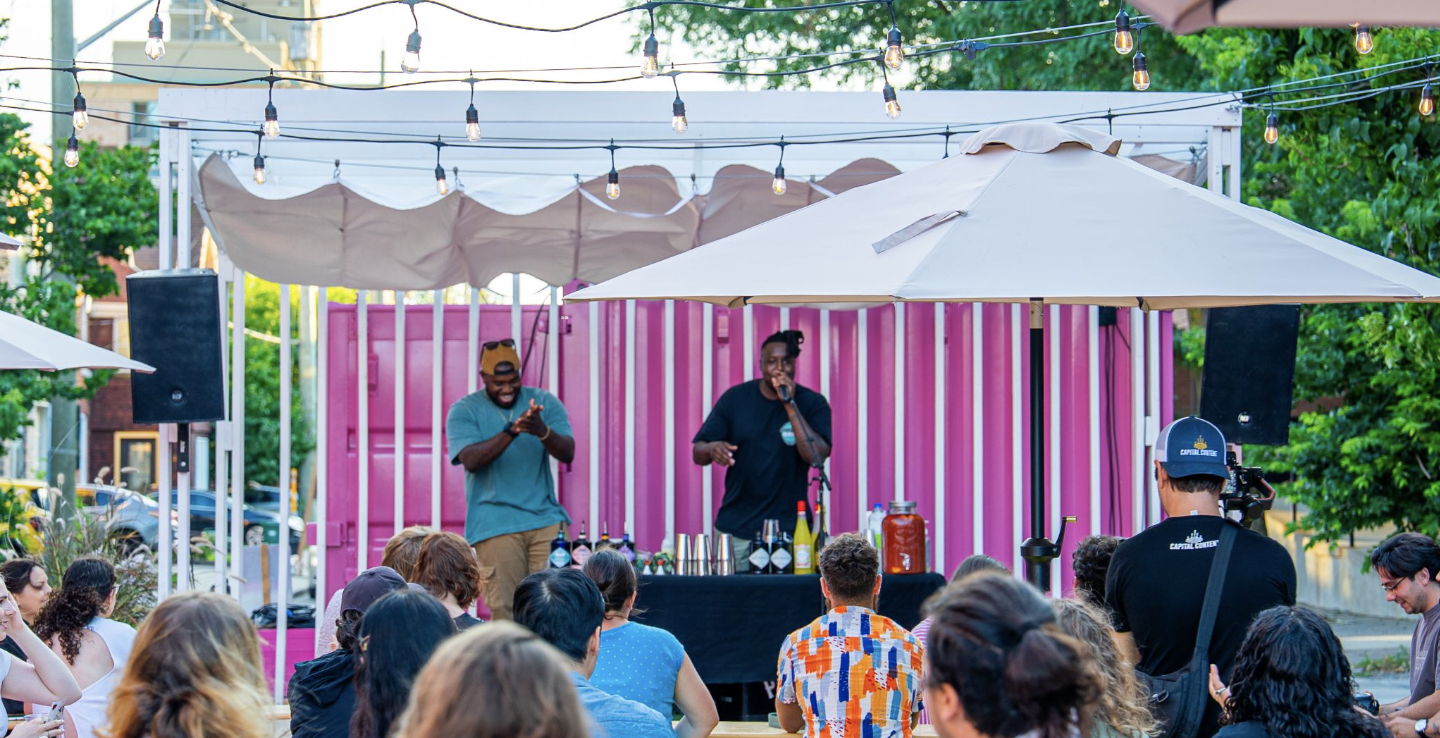
The Florence Street activation included a stage for regular programming. (City of Ottawa)
To evaluate the impact of the pilot, Ottawa staff and volunteers collected data at three Street Seats locations before and after the activations, through:
Behaviour observations to see who is using a space and what they do while there
Intercept surveys to ask people how they feel in a given space
These exercises allowed staff to measure feelings of safety, comfort, joy, and inclusion. Ottawa’s results show the remarkable impact of small changes.
People were more trusting and open to social connection.
People agreed more strongly that they would like to meet friends and new people at the Street Seats locations. They were also more likely to agree that people can be trusted. After the activations, people were 25 per cent more likely to agree that a stranger would return their wallet, if they lost it there.
People were more likely to spend time—and to laugh!
The activations supported a sense of comfort and sociability, with almost no cases of anti-social behaviour (like individual phone use) recorded. Not surprisingly, the study observed 3.5 times more people lingering in the spaces overall, once elements like seating and weather protection were added. The spaces also supported joy: Forty-three people were observed laughing in the Street Seats plazas—compared to zero before!

Snapshot of results from Ottawa’s 2025 Public Life Study of the three Street Seats locations, showing increases in sense of community, trust, and safety. (Happy Cities)
Collecting data to motivate the case for placemaking
Ottawa’s results indicate that the Street Seats program is fulfilling its goals of being inviting, safe, fun, and vibrant. Through the Public Life Study, staff uncovered the impact of the City’s investments and gained data to help decide on next steps for the pilot—grounded in evidence and guided by the community’s experience.
“[The data] showed that not only did people's relationship with space change, but that their openness and trust with others also increased,” said Ezra Lipton, Planner II at the City of Ottawa. “Being able to demonstrate impacts like these is vital for making the case for why we should invest in reimagining how our public spaces are programmed.”
The City plans to expand the program in 2026. Learn more about the City of Ottawa’s Street Seats pilot program here.
Conduct your own Public Life Study!
Joyful, inclusive public spaces nurture healthier communities.
But don’t just take our word for it. Collect your own data! Our Public Life Study tool is a free, award-winning resource that anyone can use to measure the social impact of public spaces—city planners, students, researchers, developers, public health professionals, community organizations, and more.
We’re building a database of public life from across the world—from London, UK to San Francisco, USA and from Stockland, AU to Ottawa, CA. (And yes, we’ll analyze your data for free if you use the tool!)
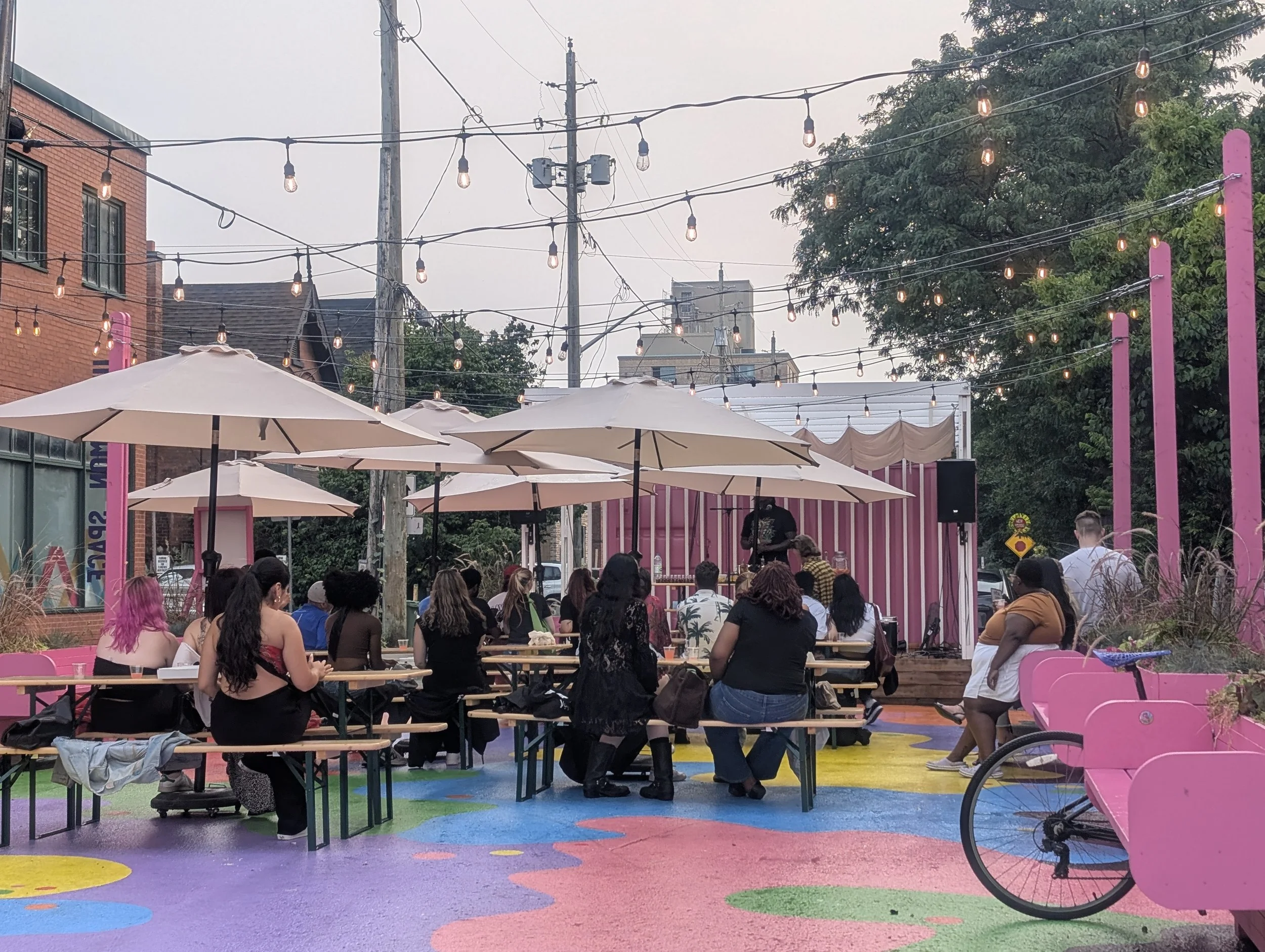
Florence Street. (City of Ottawa)
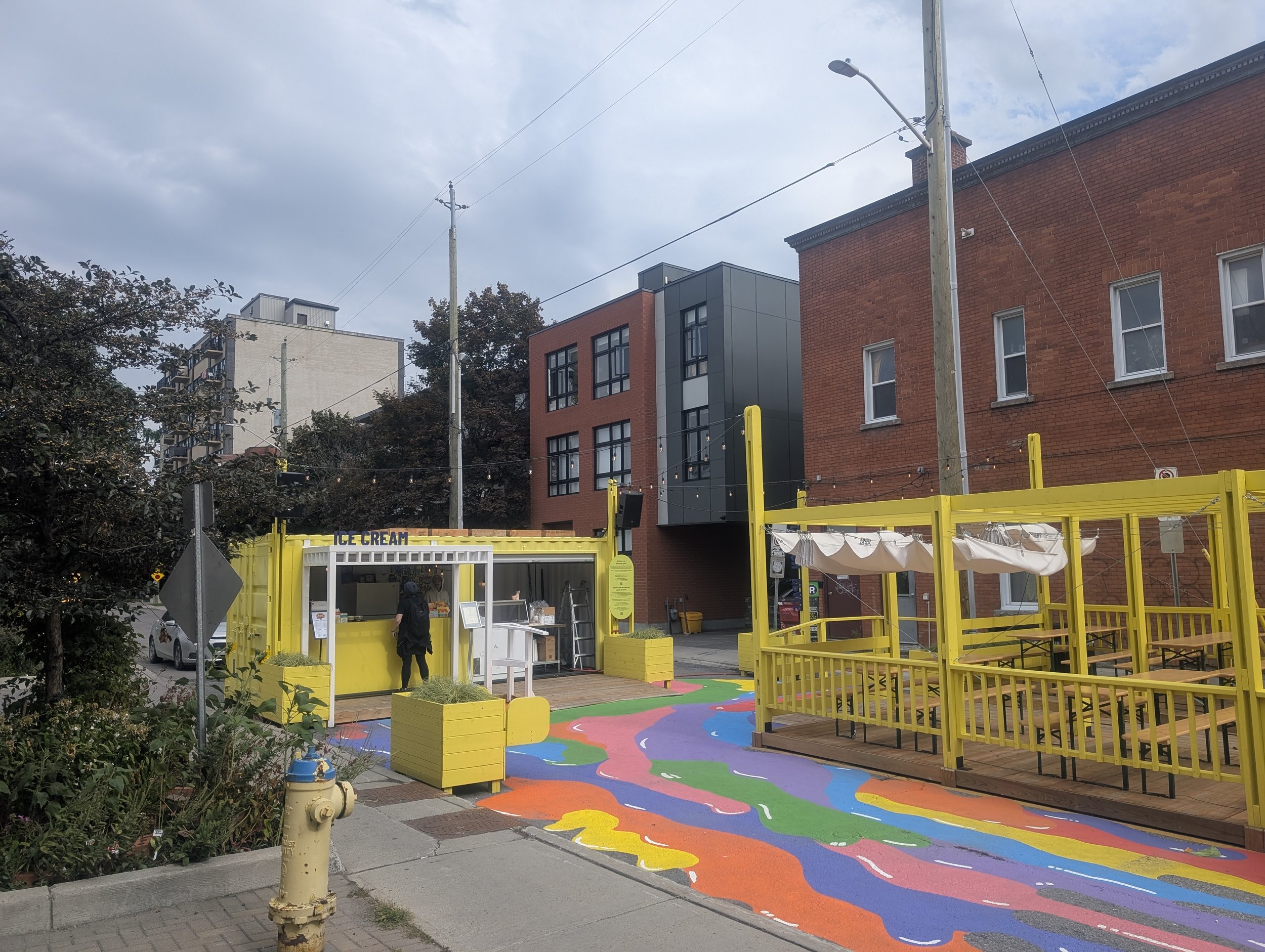
Frank Street. (City of Ottawa)
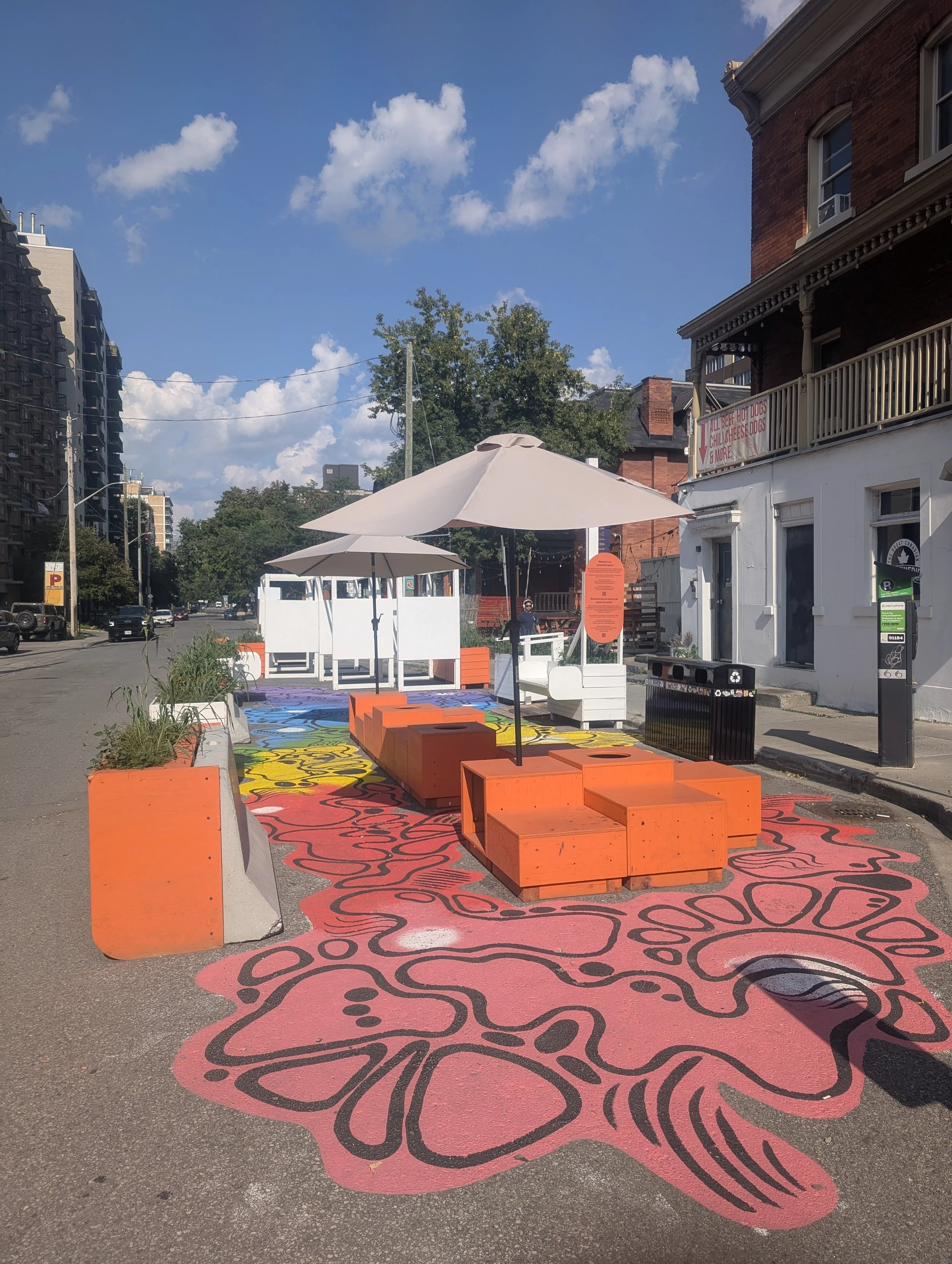
McLaren Street. (City of Ottawa)
