What the Look West tourism plan means for BC municipalities
Five destination planning strategies to help municipalities prepare for tourism and growth, while strengthening community wellbeing.
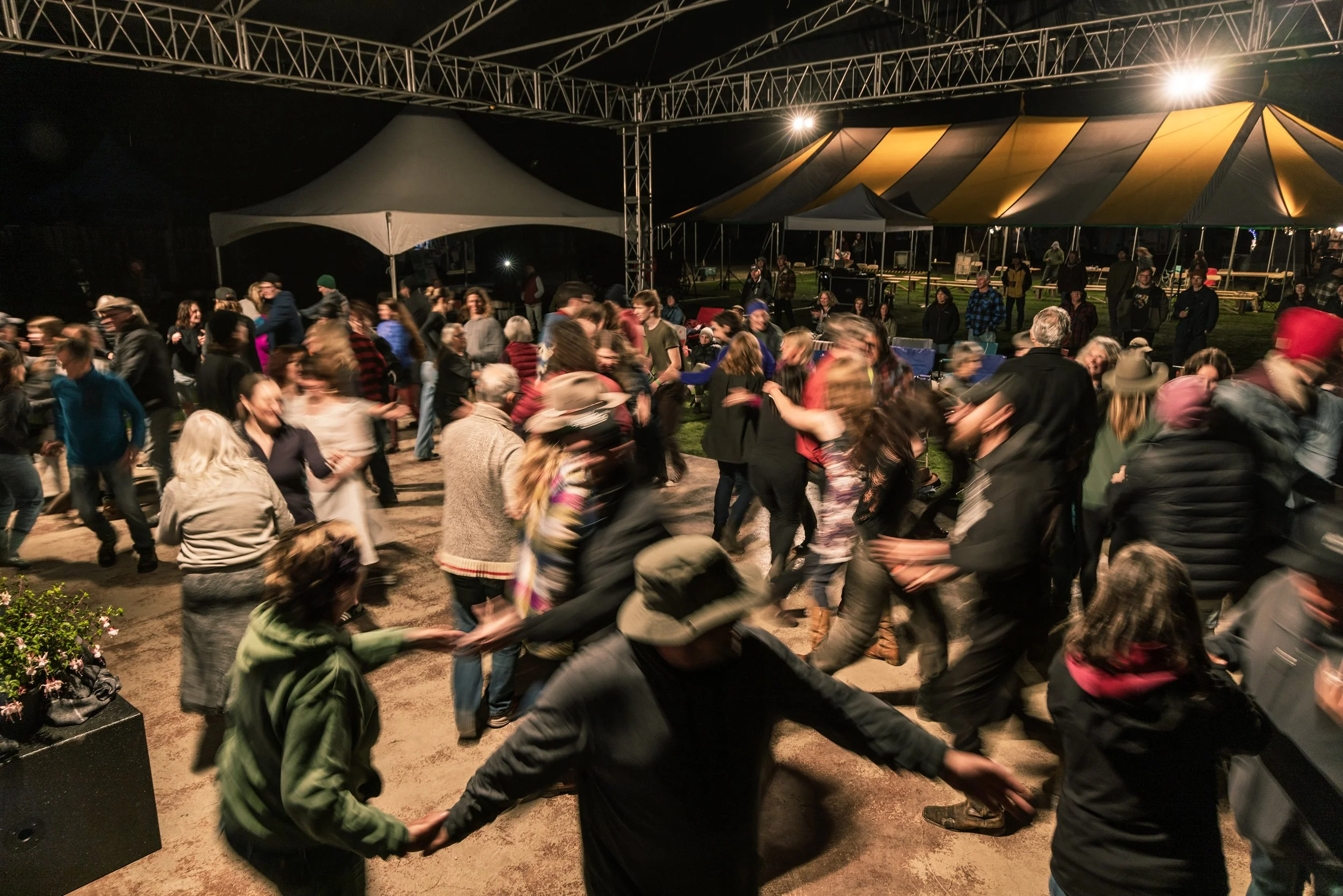
Lake Cowichan hosts B.C.’s largest bluegrass and old-time music festival every year. (Tourism Cowichan)
On March 4, British Columbia released the Look West Tourism Sector Action Plan, setting a target to double tourism revenue within the next 10 years.
The plan outlines ambitious goals: Expand tourism across all regions of B.C. by welcoming more international flights, strengthening regional connections, hosting “destination events,” attracting private investment, and more.
But it doesn’t tell communities how to prepare for this increase in visitors, or how to create vibrant destinations that people love visiting—and are proud to call home.
Below, we offer five ideas to help B.C. communities attract visitors while supporting quality of life.
Why tourism needs a community-based approach
Typical tourism metrics focus on counting visitors, spending, and length of stay.
But in pursuit of visitors, places sometimes lose what makes a community worth visiting in the first place. Destinations become gimmicks and theme parks. The place no longer feels authentic, which is what travellers really want. Even if it is successful, it hurts local quality of life. The workers needed to support the industry can no longer afford to live there. Longer commutes from outside the city worsen congestion. Locals start to avoid once-loved neighbourhoods. Backlash grows.
A community-based approach reframes destination planning to improve the quality of a place for everyone. Beyond just counting the number of visitors, it considers planning and design strategies to support community connection and belonging, and retaining new and long-time residents.
What is destination planning?
Destination planning considers how different systems work together to create and sustain a great place. Municipalities—alongside actors like tourism boards, economic development organizations, and resorts—shape destinations through land use planning, mobility and transportation infrastructure, public space design, arts and culture, and more.
How can B.C. communities act on the Look West plan?
Destination planning considers the experience of a visitor from arrival to departure, including how infrastructure, accommodation, transportation, and the public realm support that experience.
Below, we outline five destination planning ideas that planners, elected officials, and the tourism sector can implement to strengthen community wellbeing while meeting the key pillars of B.C.’s Look West tourism plan.
1. Marketing: Focus on community before branding
A great destination is more than just a hashtag or an Instagram-worthy backdrop—it’s about understanding the people and assets that make a place unique, and involving the community in shaping the story of that place. Deep engagement, partnerships, and storytelling can ensure that marketing efforts align with local histories and cultures.
Community-focused approaches to place branding include:
Engage the community to hear what’s important, through in-person and online opportunities that meet people where they are
Build collaborative partnerships with community groups and Indigenous partners
Invest in small, continuous, and rapid improvements to public space that respond to community needs
Offer funding for community-led placemaking projects

The City of Surrey hosted celebratory community pop-up events in Newton to hear about priorities for immediate public space improvements. (Happy Cities)
2. Destination access: Design streets as efficient travel routes—and places to stay
Parking and traffic are almost always the most contentious topics in any community planning process. Without strategies to address these challenges, communities are unlikely to welcome more visitors or offer a smooth travel experience.
Destination access solutions include:
Support active travel: Destinations can improve traffic flow and access by offering many ways to get around. Tofino and Ucluelet offer separated bike paths to connect the towns to one another and all the beaches and campsites in between.
Design corridors as places: Main streets can double as destinations through placemaking and public realm improvements such as seating, greenery, patios, art, events, and more. Rossland’s main street offers a great public realm and hosts a winter carnival each year.
Develop creative wayfinding: Vibrant main streets encourage people to stick around longer, turning through traffic into visitors and value for local businesses. The Spirit Trail uses creative wayfinding like signage, pavement stencils, and public art to create a sense of place and reflect the local Coast Salish art, languages, and cultures. The Spirit Trail is a collaboration between three municipalities, the Tseil-Waututh and Squamish Nations, and the Federal and Provincial Governments.
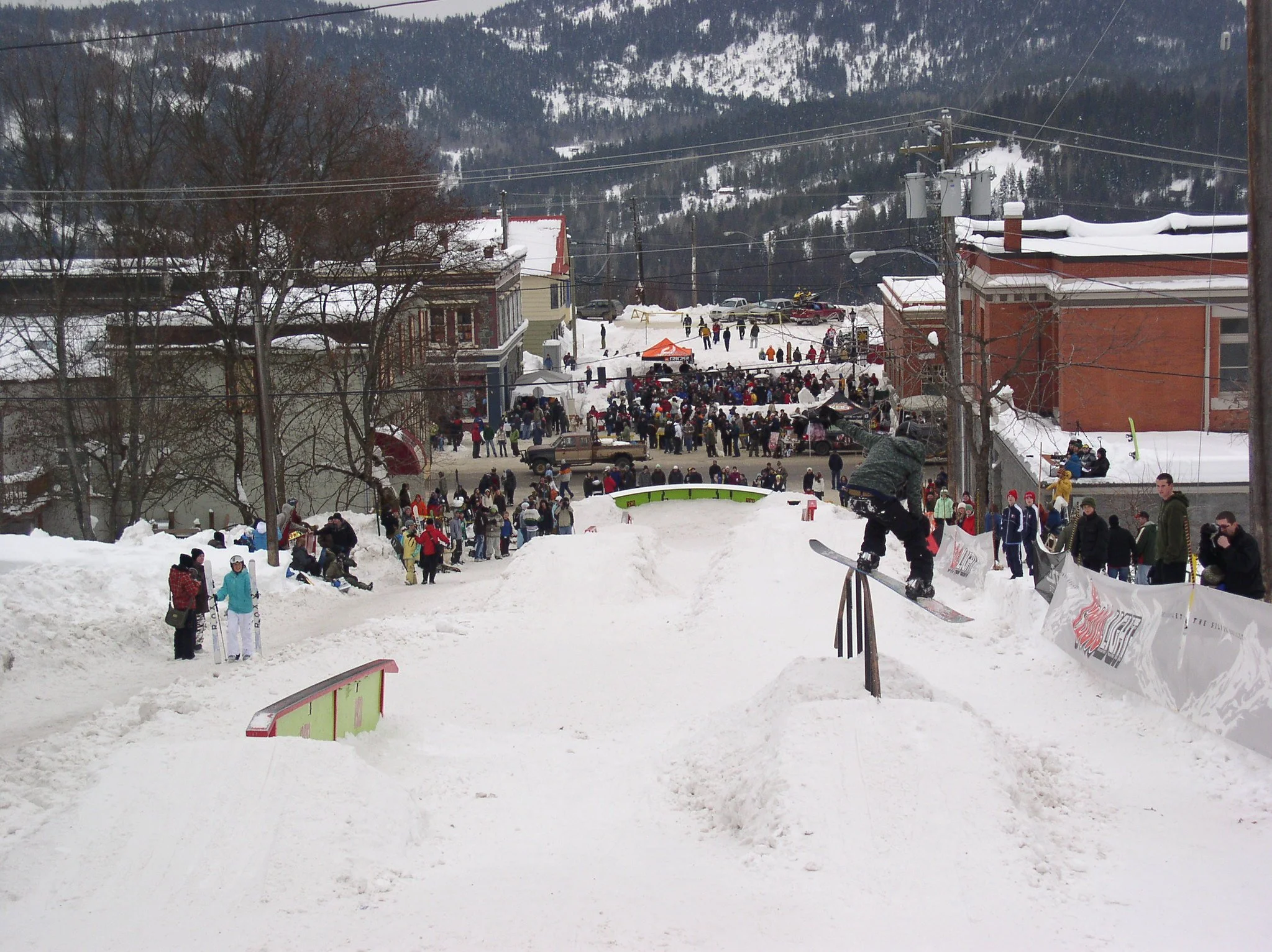
Rossland’s Winter Carnival takes place annually along the main street. (Urbanworkbench / Flickr)
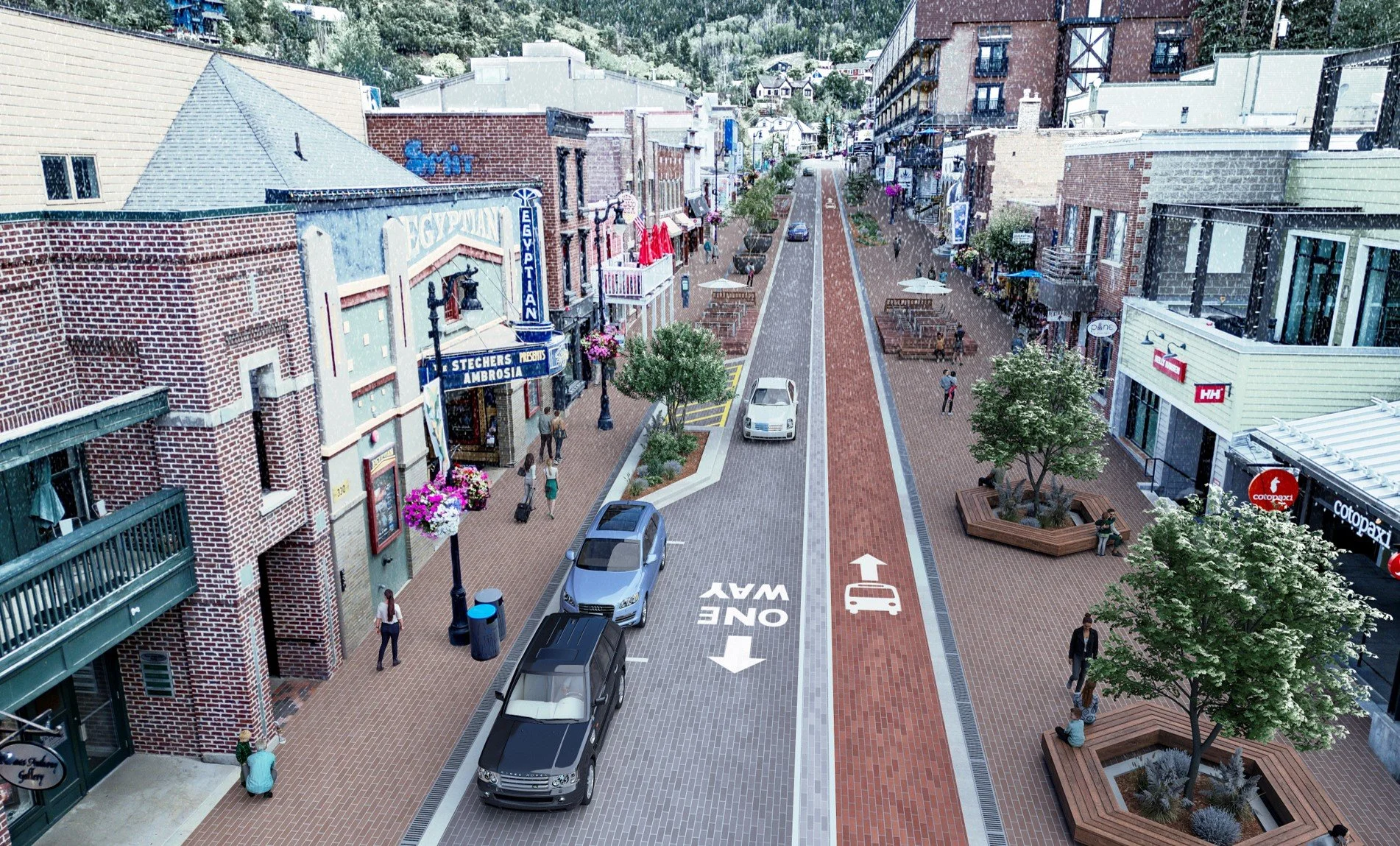
Conceptual redesign of Park City’s historic main street to expand space for people while offering efficient vehicle access. (Voda Landscape Design)
3. Event hosting: Use the public realm as a stage for events—and community life
New infrastructure needs to be flexible enough not only to host events, but also to meet community needs year-round. Plus, not all events have to be big, international gatherings. Communities can get creative to host grassroots, community-led events in smaller-scale public spaces and along main streets.
Examples and tools for transforming public spaces for events include:
Public space planning: In Vancouver, we worked with the Downtown BIA to develop a strategy for transforming laneways into public spaces. Simple design interventions can help make public spaces more event-ready: weather protection, accessible pathways, flexible space for programming, lighting, outlets, and more.
Public space programming: Regular and seasonal events help draw locals and visitors to public spaces, even in the heart of winter! Fort St. John hosts the annual High on Ice festival, drawing people from across the region to see ice sculpture carving, live music, ice slides, a homemade snowshoe race, and more.
Arts & culture planning: The Cowichan Valley Regional District’s new arts and culture plan celebrates the many cultures and histories that make the area unique, while investing in spaces and programs to support the local creative community.
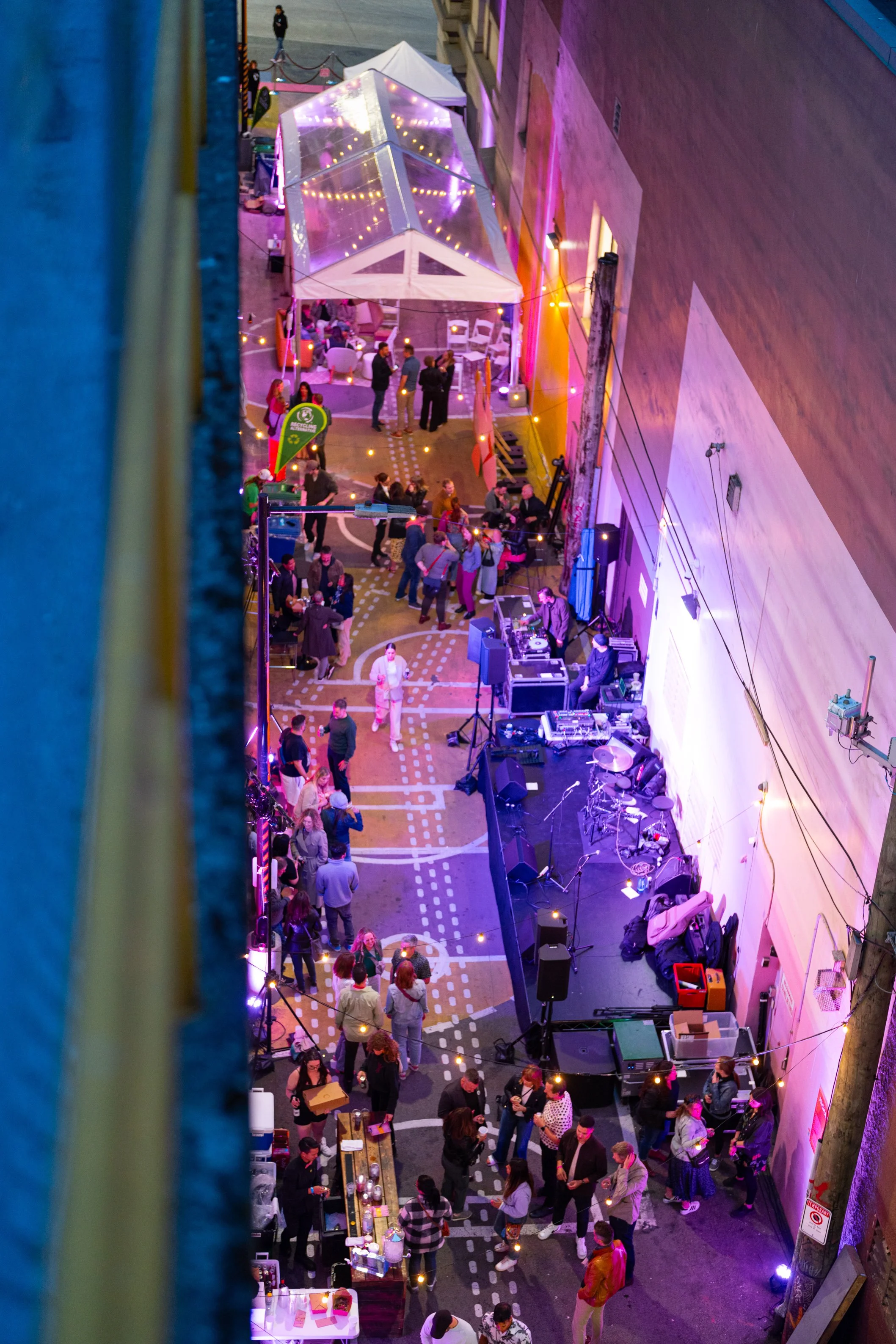
Pop-up party in Alley Oop, transforming a Downtown Vancouver laneway into space for people. (Paper Crane Creative / Binners Project)
4. Investment attraction: Set the terms for new development before it arrives
B.C. aims to attract more private investment and build new hotels, event spaces, experiences, and amenities that support tourism.
Many residents worry that new development and tourism will hurt their quality of life or change the character of the community they love. Through strategic planning and design guidelines, new, human-scaled development can contribute to more housing choices, year-round jobs, and revenue for community facilities and public space upgrades.
Key steps to ensure new investment supports community wellbeing include:
Building design guidelines: Incentive-based policies make it easier for buildings to support community wellbeing. Port Moody’s Social Wellbeing Design Guidelines offer incentives for new development that support social connection, health, and resilience for residents, considering both the interior of new homes and how buildings meet the street.
Economic growth planning: North Vancouver is developing a new long-term plan for the Shipyards, a local public space and destination that draws millions of visitors from across the region each year. To support this growth, the City is creating a comprehensive framework to guide operations, programming, and future investment—while considering community needs, visitor experience and economic performance.
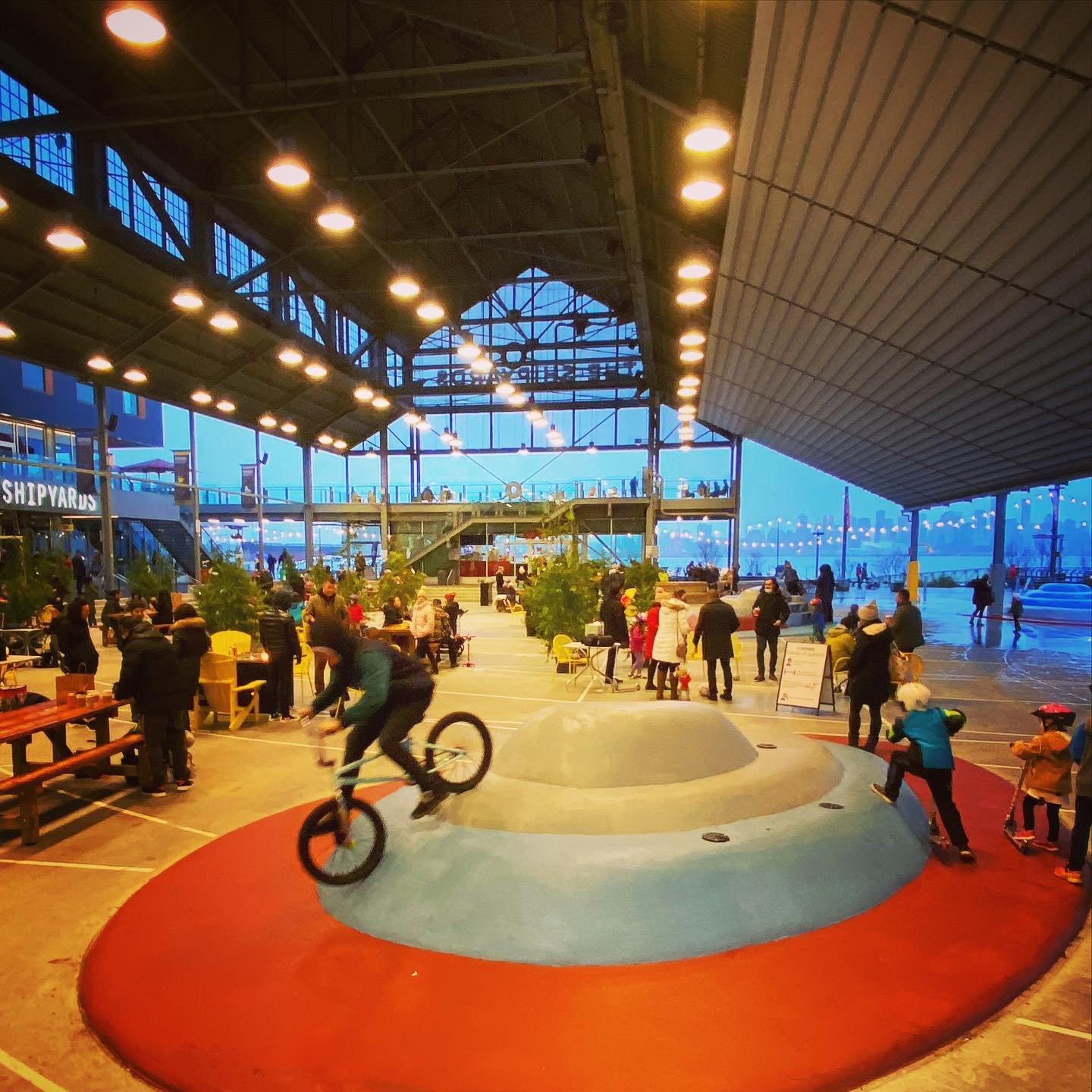
North Vancouver’s Shipyards offers a year-round public space that will host the official Canada Soccer house for the 2026 FIFA World Cup. (Happy Cities)
5. Enabling growth: Support growth while maintaining community wellbeing
The fifth pillar of the Look West plan aims to remove barriers to growth in the tourism sector, inviting private sector, municipalities, and Indigenous groups to lead destination development and stewardship.
For municipal planners, key challenges include forecasting this growth and the associated housing and infrastructure that will be needed to accommodate visitors and workers.
Housing strategies & community growth plans: Vibrant public spaces communicate that a place is worth investing in. Las Vegas aims to attract more human-scaled development in residential areas by creating one great place.
Social infrastructure planning: As tourism grows, it’s equally important to consider the social infrastructure—services, third places, community centres, parks, and more—needed to support a growing community.
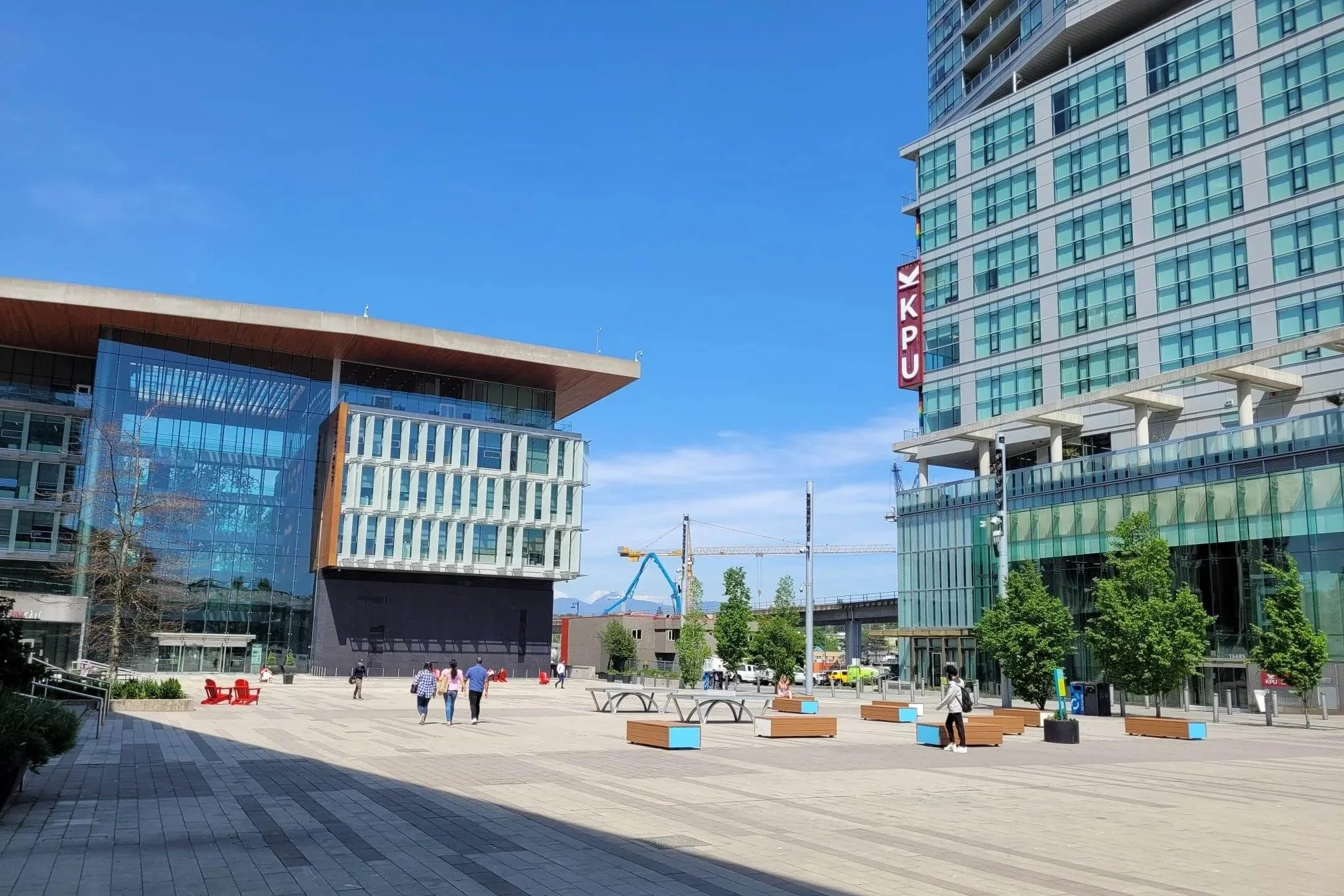
Surrey City Centre concentrates a library, university campuses, city hall, and public plaza near transit and new housing development. (Happy Cities)
How to get started on destination planning for your community
Destination planning is not only for visitors. It also creates great places to live, supporting happier, healthier communities. Successful places draw residents and visitors alike by offering unique things to see and do that feel authentic and include the many cultures, residents, and histories that make up a place. Great destinations can support the local economy while strengthening community belonging and connection.
Preparing now can shape a future where the community sets the terms for growth and investment before it arrives—rather than reacting to challenges after it’s too late.
Get in touch
Whether you want to attract more tourists, or manage the growth you’re already seeing, destination planning can help. Happy Cities offers tailored services to help communities grow while strengthening quality of life and resident wellbeing.
Get in touch below to book a free 30-minute consultation with our destination planning team.