The future of tourism is community-led
Want to attract more visitors? Start by creating a great place to live.
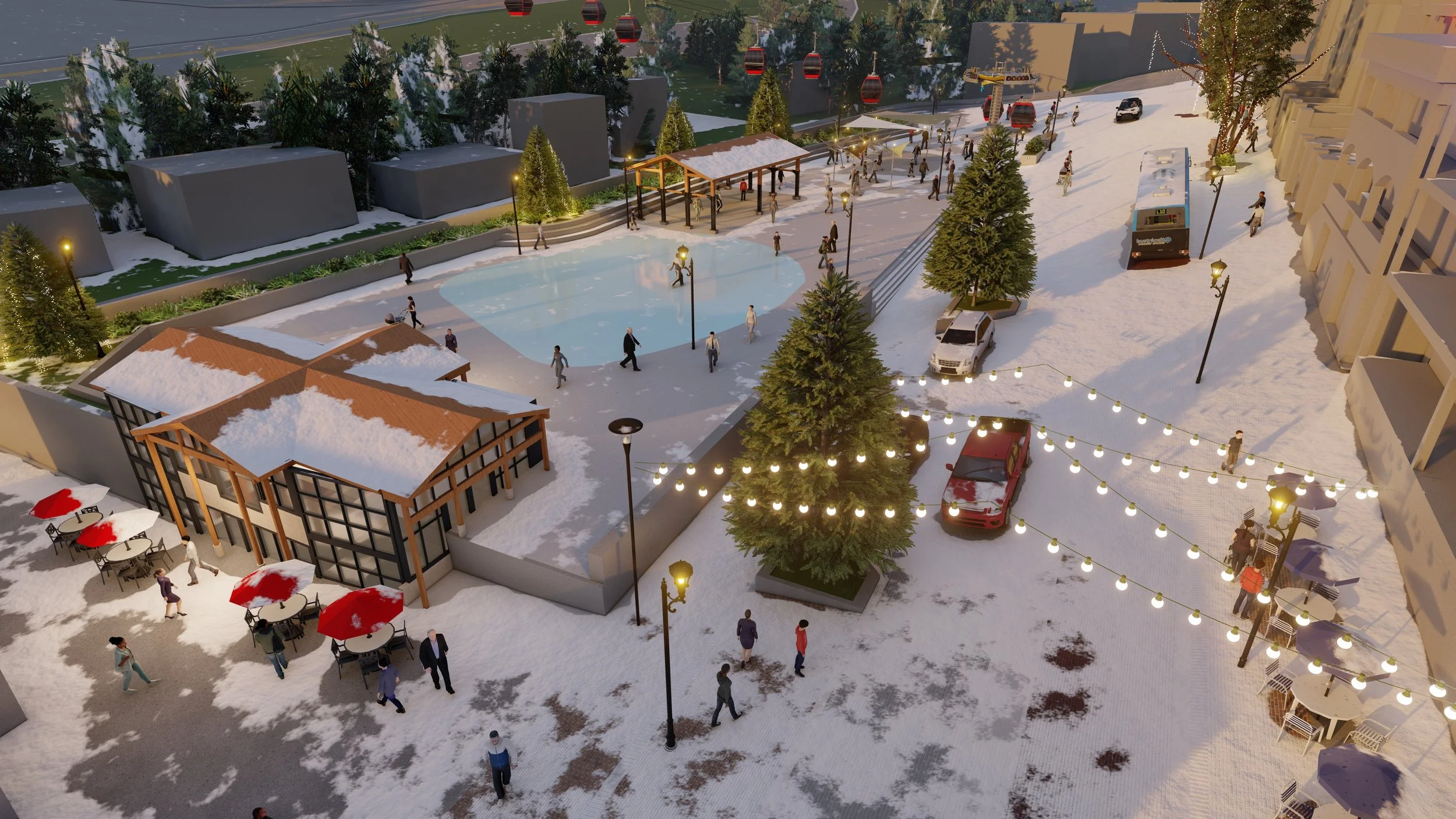
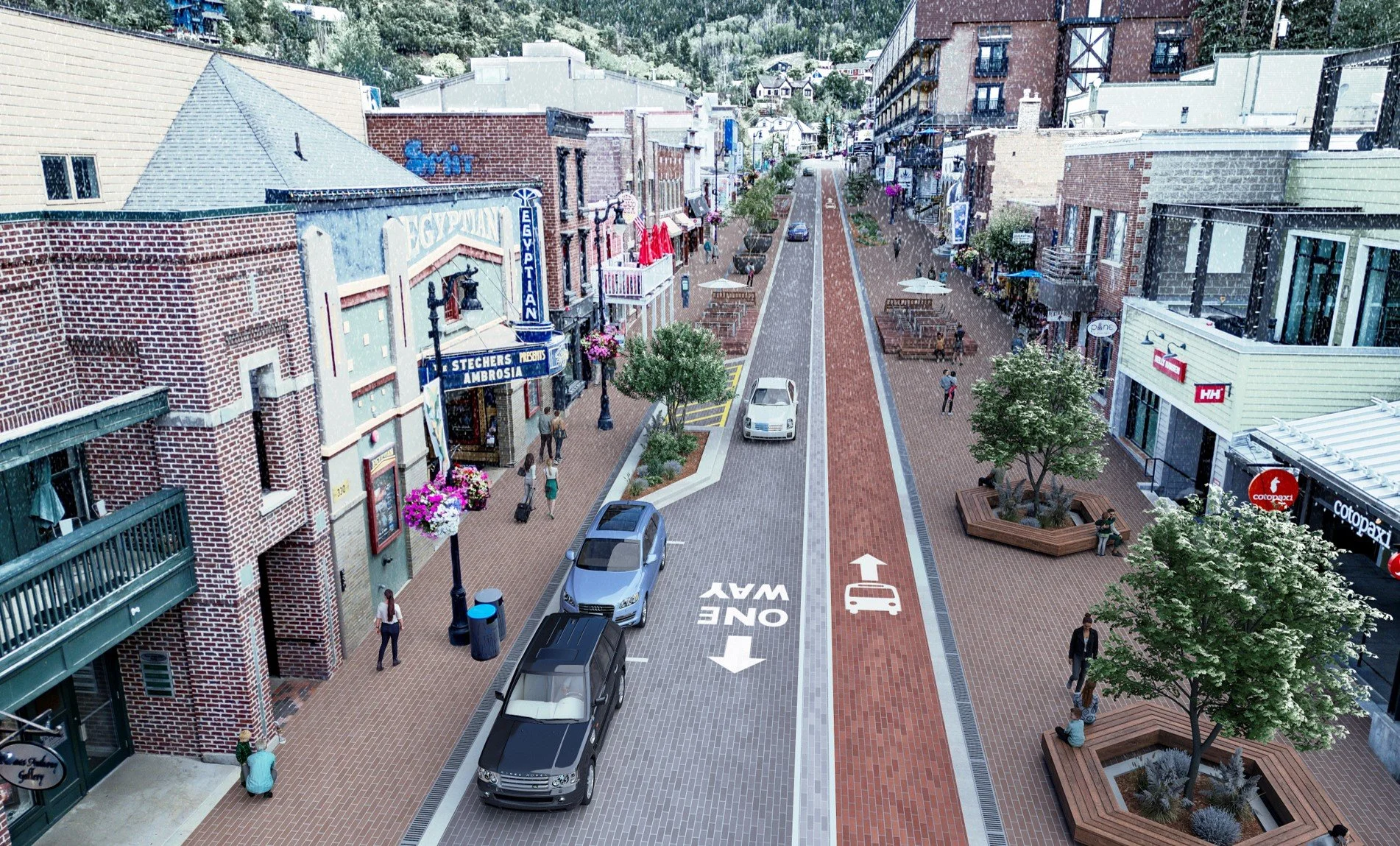
The Park City Main Street Area Plan envisions new public spaces as a strategy for boosting local business and community connection. (Voda Landscape Design)
British Columbia’s new Look West Tourism Sector Action Plan promises more investment and marketing to boost tourism across B.C., year-round.
Municipalities and tourism boards face two key challenges in responding to this plan: identifying how to set their community apart through a unique identity, while managing tourism to ensure that it strengthens local quality of life—rather than detracting from it.
In B.C. and beyond, a community-based approach can help create wonderful destinations that are also great places to live.
Here are four communities building great destinations that work better for everyone—through placemaking, public space design, and streetscape upgrades.
North Vancouver, B.C.
Designing a great public space to rival the region’s main city
North Vancouver has built a reputation for having perhaps the best public space in the region: the Shipyards.
Located directly across the water from Downtown Vancouver, North Vancouver sometimes feels disconnected from the big city. Over the last decade, the Shipyards has changed that, drawing visitors across the water to visit this small municipality of just 60,000, year round.
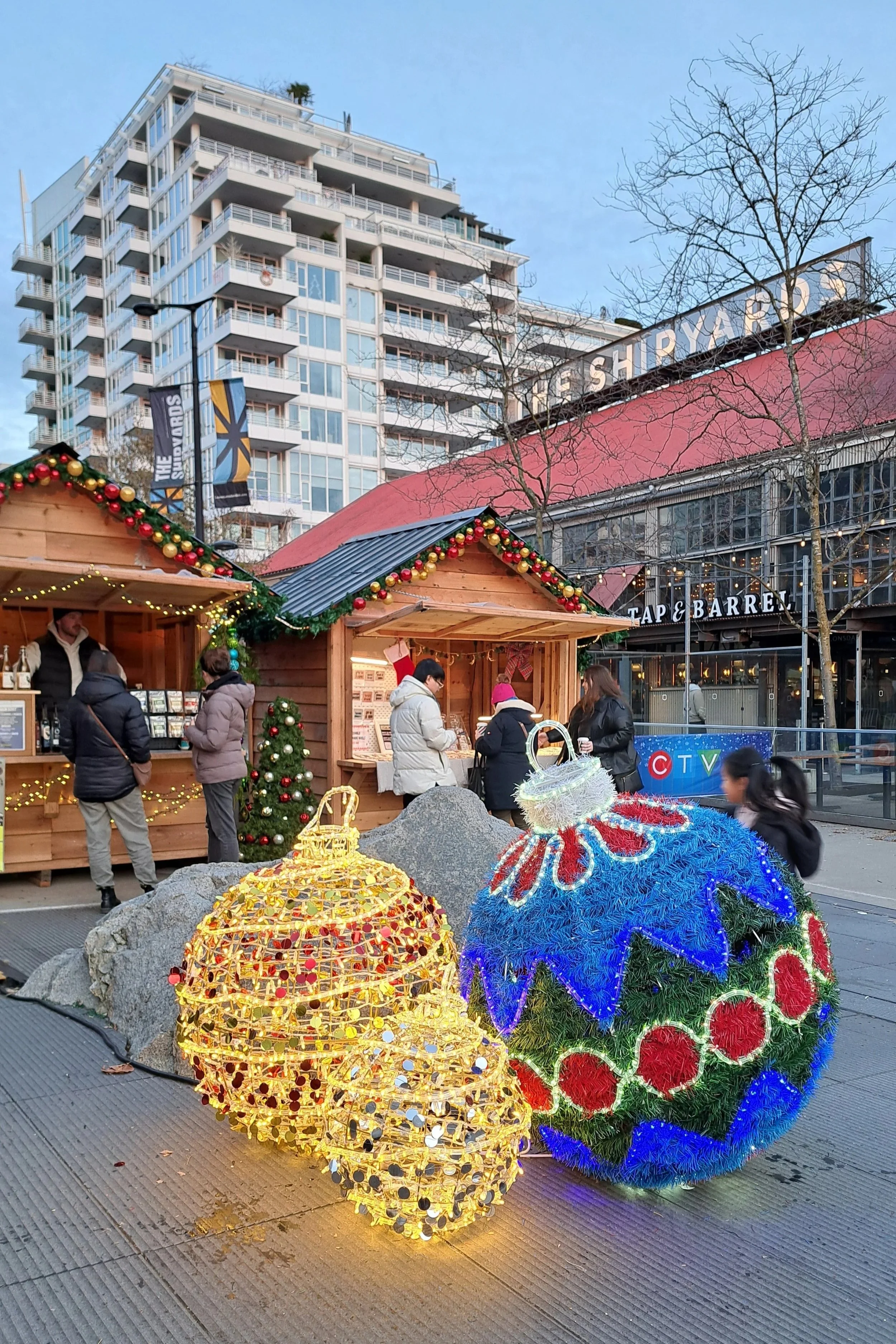
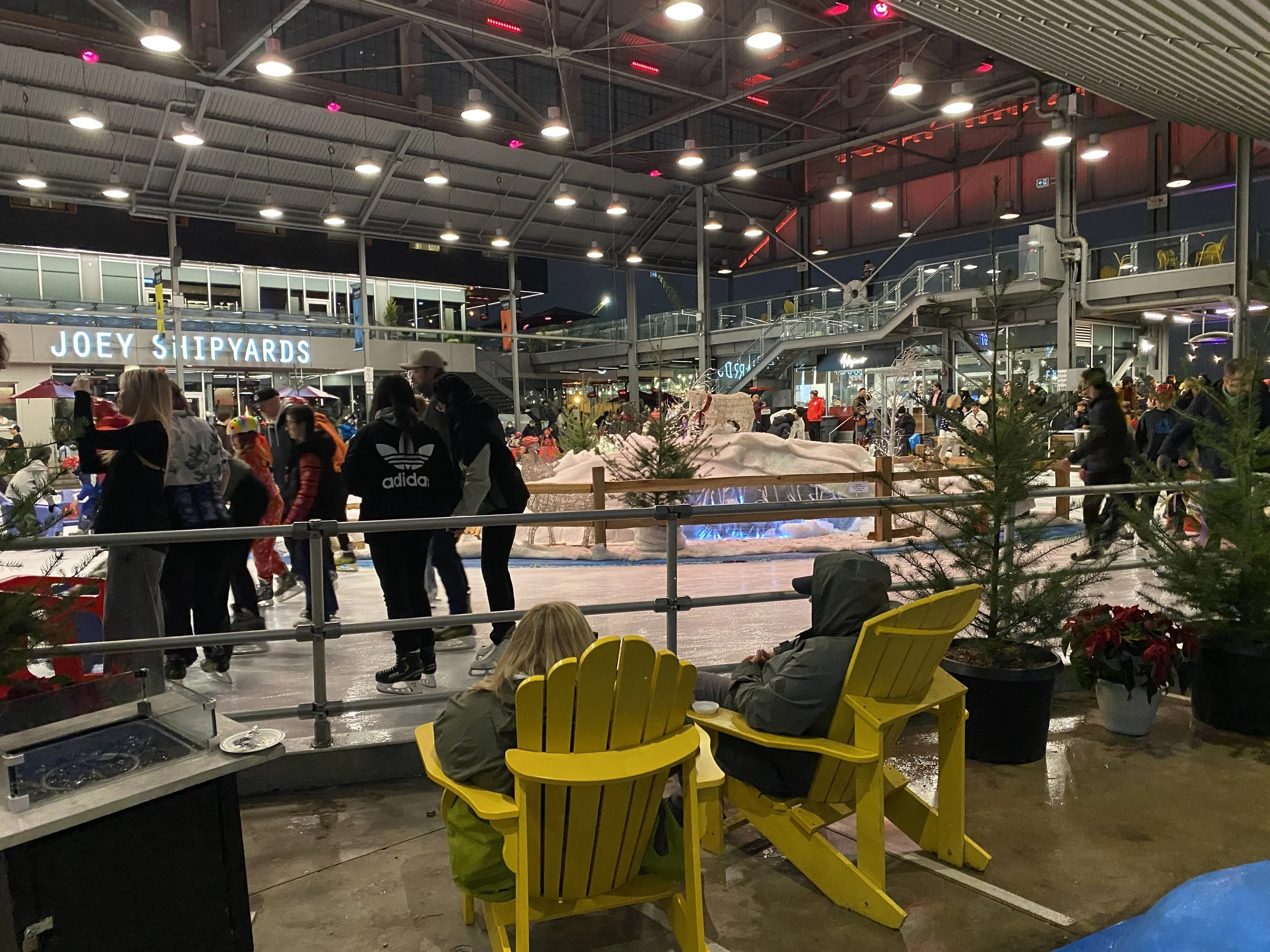
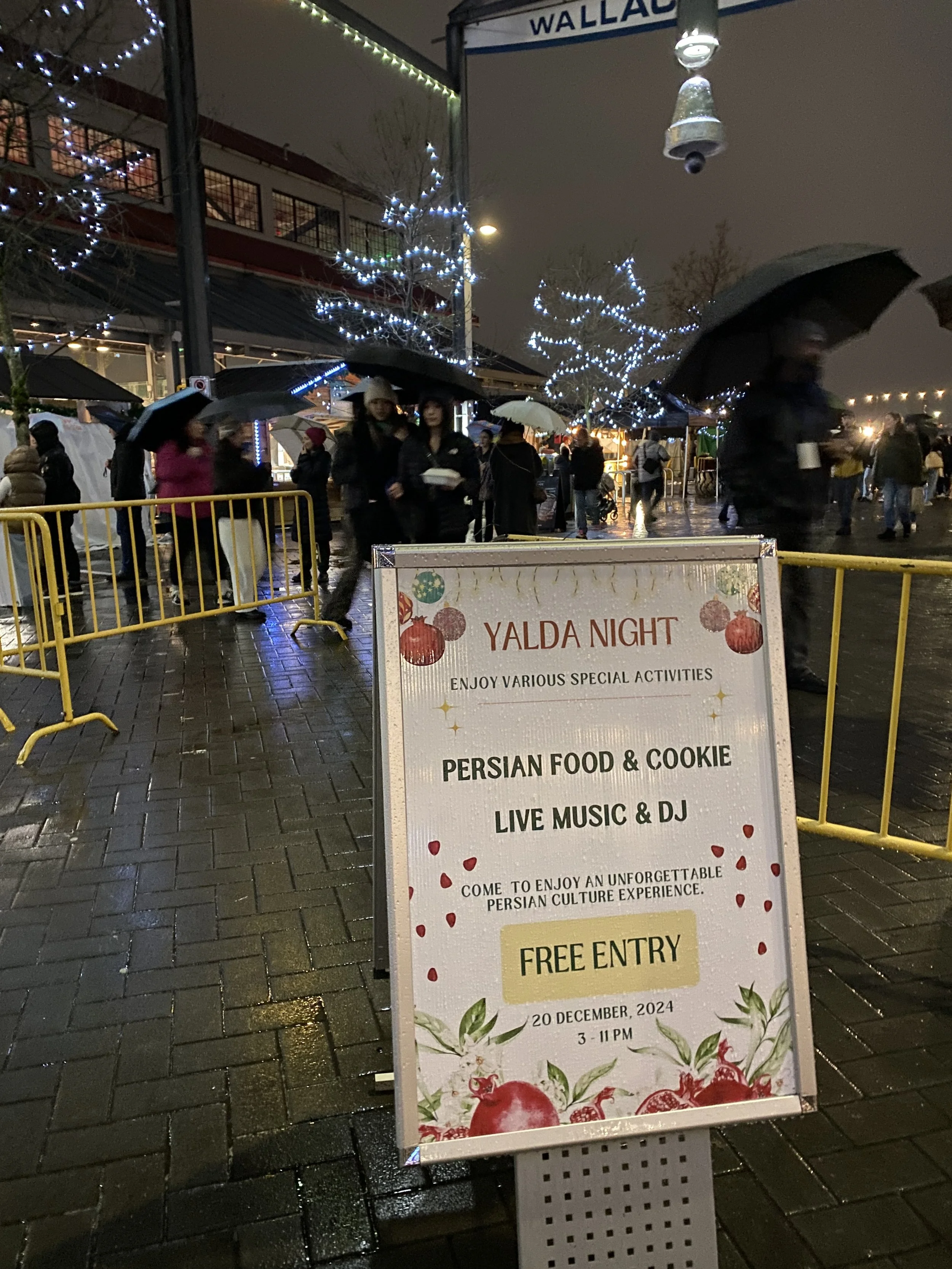
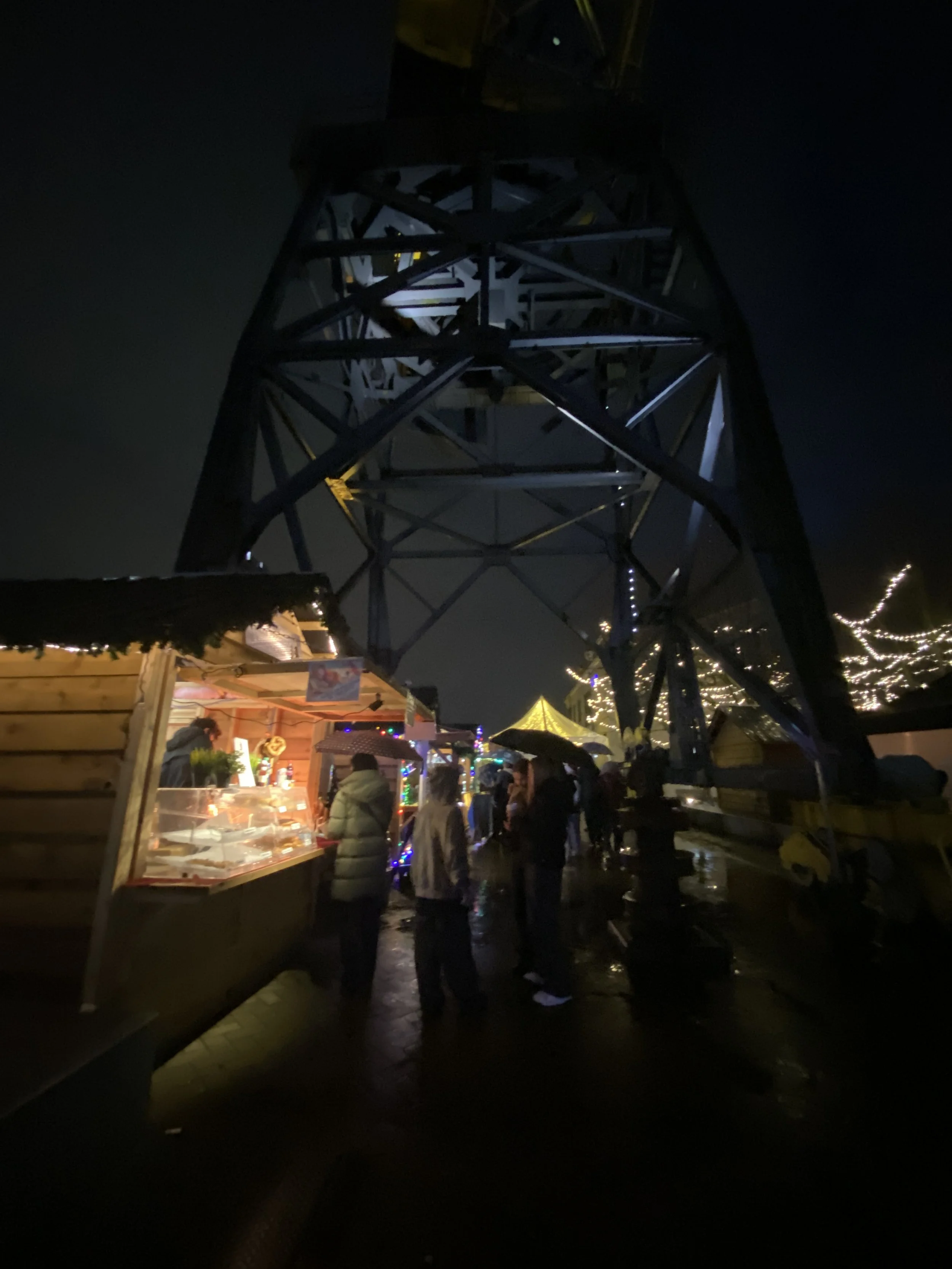
The Shipyards transformed a formerly industrial waterfront into a pedestrian-only public space that combines restaurants, an art gallery, and public market with an outdoor boardwalk and covered plaza. In the winter, the plaza turns into a skating rink. It now hosts an annual, open-air Christmas market that feels almost like you’re in Germany. The market drew an estimated 500,000 visitors during December 2025 alone.
Before the space opened in 2016, very few people visited the waterfront (in truth, there wasn’t anything to do there). Since the transformation, it has attracted millions of visitors, with estimates suggesting over 5 million in 2024.
The design laid the foundation for success. But crucially, the space offers things to do—365 days a year—nurturing connection, joy, and health for people of all ages. The City’s goal? Become the healthiest small city in the world.
Park City, Utah
Revitalizing a historic main street for year-round use, while reducing congestion
Successful main streets depend on lots of visitors. But as visitation grows, so too does congestion. That is, if everyone drives. Cities can reduce congestion along people-centred corridors by making it easy, efficient, and inviting to travel without a car: wide sidewalks, safe bike infrastructure, and efficient transit.
Park City, Utah is a popular ski destination feeling the pressures of tourism—managing seasonal visitors and congestion, while also staying relevant in a competitive market. The town’s Main Street sees close to four million visitors each year, but visitor numbers have been dropping since 2021. Renewed investment in Main Street as a vibrant destination can help turn this trend around.
With an eye ahead to the 2034 Olympics, we worked with Park City staff to develop mobility solutions and development concepts to revitalize the historic Main Street. This work included design guidance for new parks and public spaces, and identifying strategic locations for mixed-use buildings that can welcome more visitors while bringing life to Main Street.
The Main Street Area Plan finds that parking isn’t directly linked to economic success. On the highest-revenue days, many people arrive by shuttle bus or rideshare. Economic analysis estimates that new, pedestrian-oriented development proposed for Park City can generate $180 million in new direct spending, and an additional $18.5 million in annual government revenue. Our takeaway? Main streets designed for people work better for local business, too.
Halifax, Nova Scotia
Crafting the most vibrant waterfront in Canada through decades of small changes
The Halifax Waterfront has something unique: a government agency with a mandate to improve the place, year after year.
Often, when creating destinations, governments focus on big redevelopment and design projects. These are important: A new mixed-use development called Queen’s Marque has helped reshape the Halifax Waterfront with new buildings and public space. But evidence from Halifax (and elsewhere) shows that small placemaking interventions are just as important.
For roughly $12,000 in 2023, Build Nova Scotia implemented several small changes to draw more visitors to one area of the waterfront, Salter Street Landing. Staff added lounge chairs, pavement paint, tiny kiosks for businesses, and a shipping container retail space. That year, these small changes helped draw even more pedestrians than the $200 million Queen’s Marque nearby.
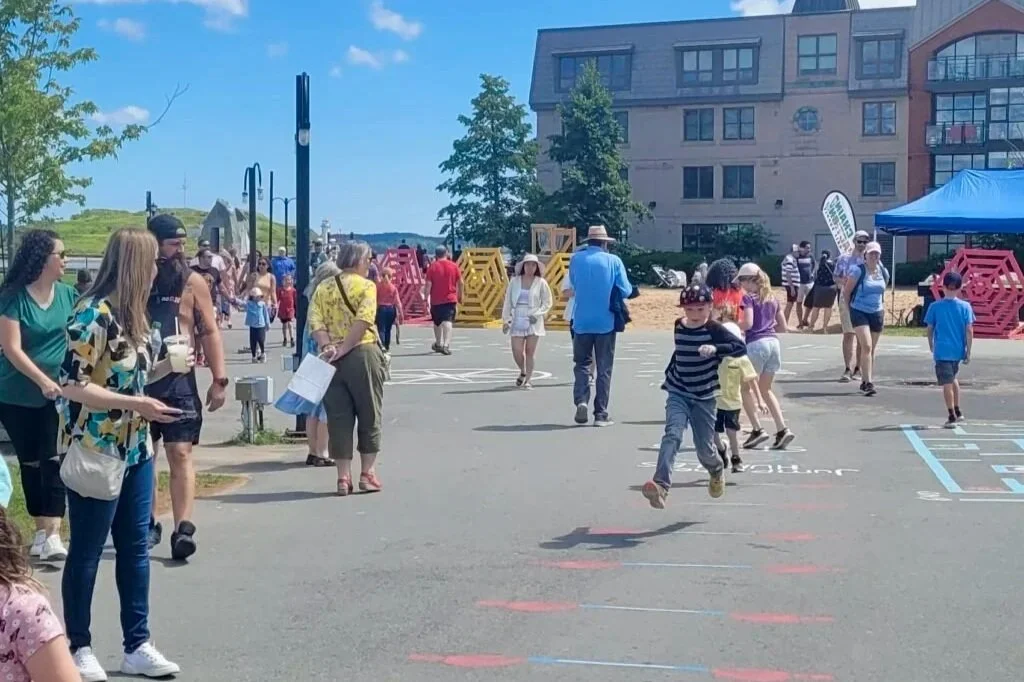
Small placemaking interventions at Salter Street Landing. (Happy Cities)

Queen’s Marque combines public space and waterfront access with new development. (Harrison Jardine / Fathom Studio)
The best public spaces evolve constantly. Planners can lay the foundations for success through a dedicated placemaking budget and regular design upgrades—like seating, lighting, greenery, weather protection, and more. But critically, planners must also respond to community needs: observe how people use a space, invite local residents and community groups to help shape the space, and conduct regular engagement with the community.
The Halifax Waterfront attracts over 100,000 people a year. Despite its relatively small size, we think it might just be the most vibrant waterfront in Canada.
Klamath, Oregon
Community-focused placemaking to improve health outcomes and attract visitors to stay longer
Klamath County is a mostly rural region of Oregon, home to spectacular natural landscapes but grappling with public health and economic challenges, including higher-than-average unemployment and poverty rates.
Many visitors come to the county to visit Crater Lake, or pass through on their way to Burning Man. But few people stop to explore the area’s main town, Klamath Falls, or the lesser known trails and birdwatching opportunities.
A local organization, Healthy Klamath, identified a solution: invest in upgrades to public spaces to improve community health outcomes while also creating reasons to stay longer.
At a two-day summit in 2025, we engaged community members from over 29 organizations to share what makes Klamath unique, and explore priorities and opportunities to improve the public realm.
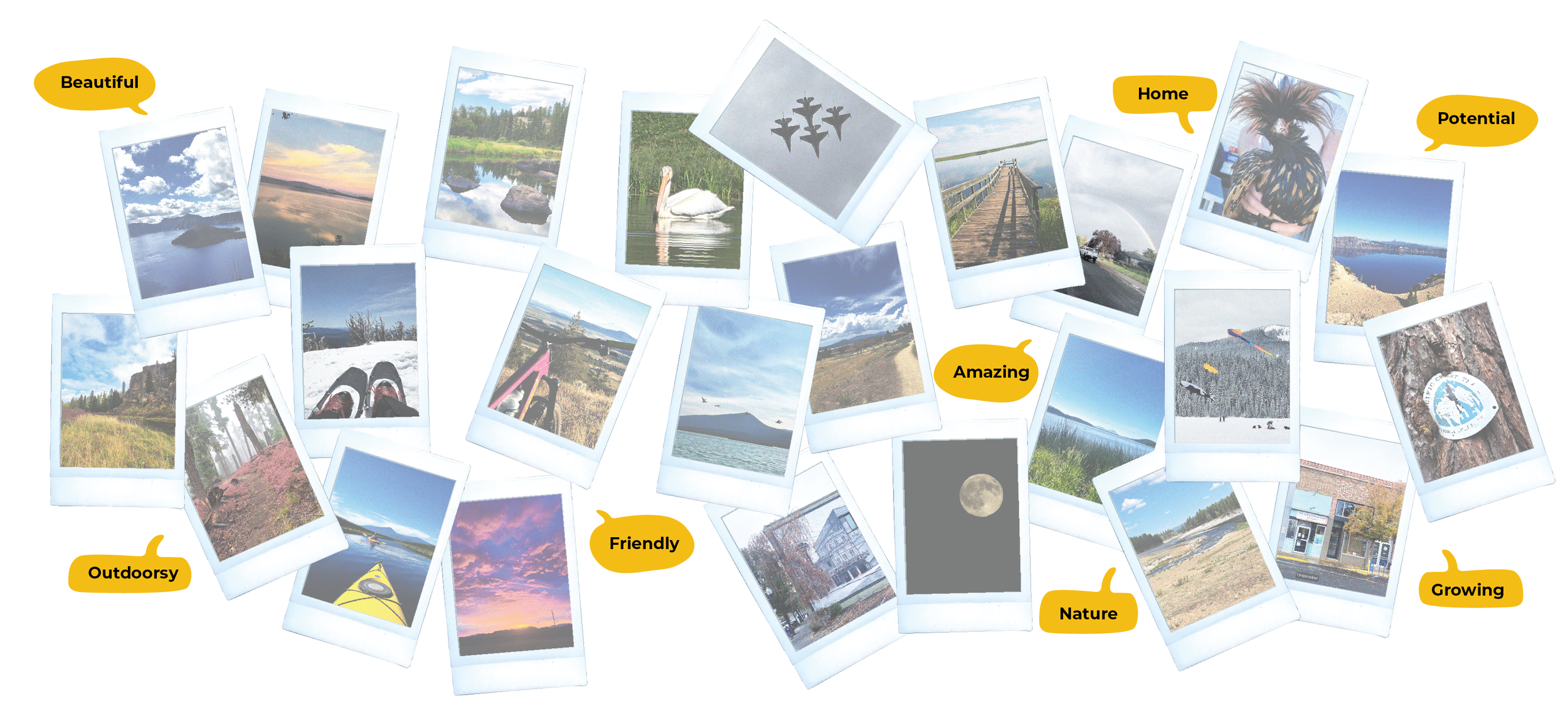
Photos and adjectives that reflect Klamath, shared by participants at the Healthy & Thriving Places Summit. (Happy Cities)
Following the summit, we worked with Healthy Klamath to develop a new Healthy Places Plan, identifying strategies and funding opportunities to improve the design and use of public spaces. Actions span from greenery and public art, to festivals and events, to street upgrades and trail improvements.
The goal? Create happier, healthier, and more inclusive spaces that reflect pride in Klamath for community members of all ages and backgrounds. As one participant said, “we’re redefining what Klamath is known for.”
Dive deeper
Ready to get started? Send us a note to start a conversation about destination planning in your community!