
Stories
We share stories and evidence on the link between urban design and human wellbeing.
All stories

High on ice: Winter placemaking in a northern city
Embracing a winter climate to promote arts, culture, and community in Fort St. John

The responsibility of the building to the street
Structural engineers are responsible for ensuring that buildings do not fall over. Mechanical engineers must ensure that people inside can breathe. But what responsibility do building designers have to the street outside?

Should we design cities for loneliness?
New research explores how cities can combat loneliness—by normalizing it.

Walkable Spanish streets show what’s possible for North America
Inspiration from the streets of Segovia and Logroño
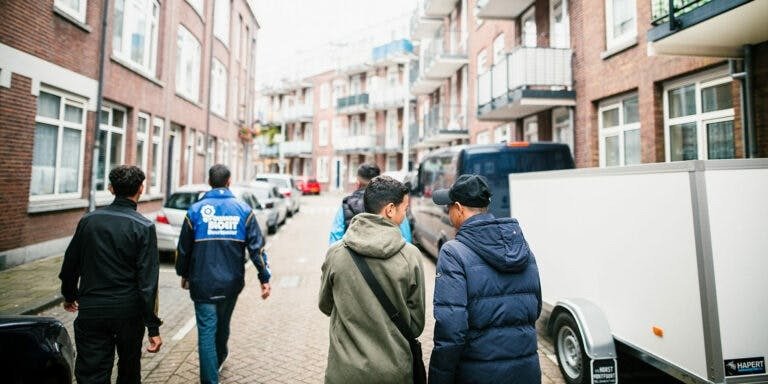
How listening to kids leads to better urban design
When we engage youth in city planning, the results benefit everyone.

Can we design pandemic-proof cities?
When it comes to keeping people alive, neighbourhood design may matter much more than urban density.
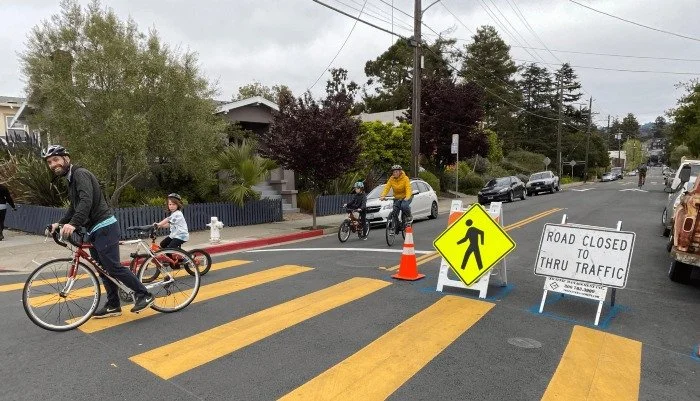
The pandemic is changing the way we use city spaces — for good
Responses to the pandemic can actually make cities happier, healthier and stronger in the long run.

Why math and rigid rules aren’t enough to build great cities
For every rule about good urban design, there are places that offer exceptions.

The psychological tricks designers use to make cities happier places
From rainbow crosswalks to communal herb gardens, urban planners and architects are borrowing from neuroscience to build environments that people want to work and live in
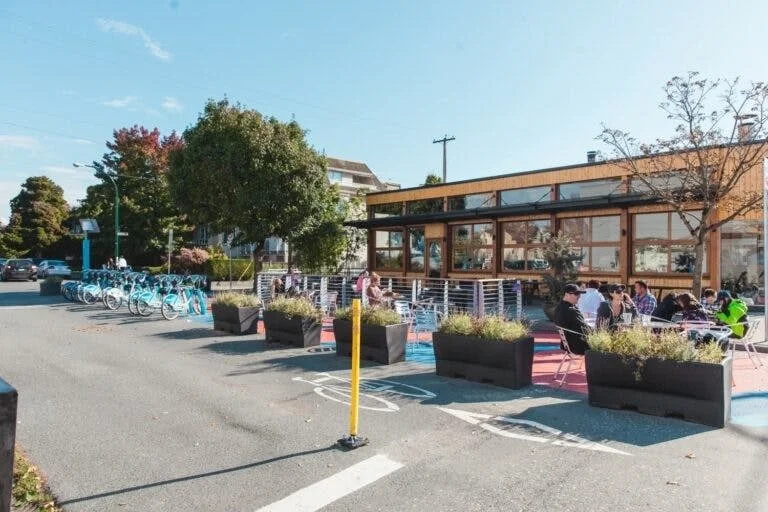
Can we design more trusting public spaces?
Our research found small design changes to public space can have big impacts on social trust.

What makes a beautiful place?
An evidence-based approach to designing for diverse tastes and preferences.

Public space improvements can boost trust among strangers
A new study has found that a rainbow crosswalk painted by the City of Vancouver is linked to greater trust among strangers.