
Uncover the secrets to more sociable design
Our post-occupancy evaluations combine quantitative data with lived experience to measure the social performance of buildings, streets, and public spaces.
Measure the social performance of buildings
Policy shapes design. Design shapes human experience. But human experiences rarely feed back into policy or design decisions.
Our post-occupancy evaluations close this loop by collecting data on resident experiences after move in, and translating this feedback into actionable design and policy recommendations. This data helps municipalities, developers, architects, and housing providers understand which features are most important for social connection and wellbeing—allowing your team to prioritize investment in the spaces that matter most.

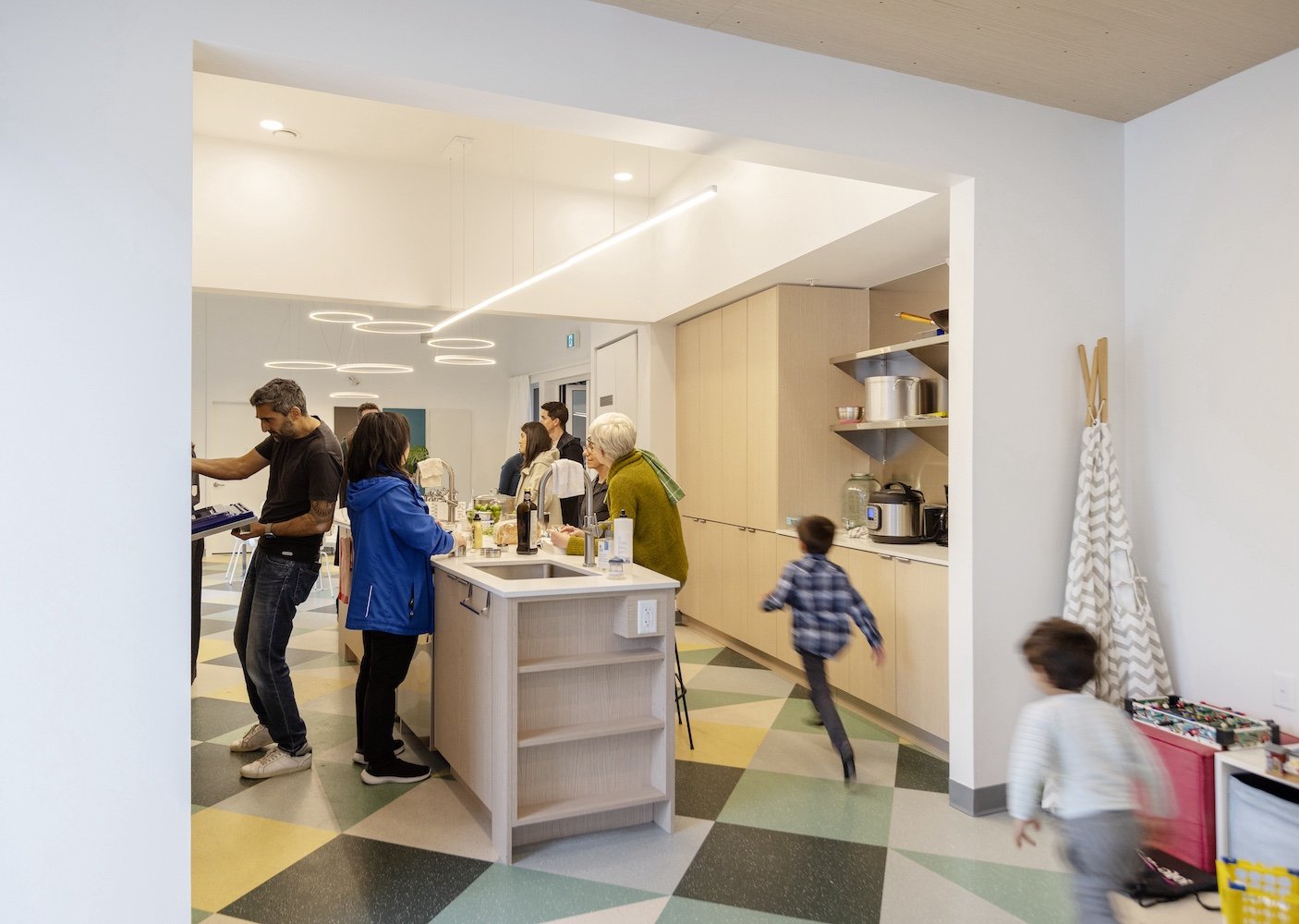
Residents enjoy a meal in the common house. (Janis Nicolay Photography / Tomo Spaces)
Case study: Our Urban Village Cohousing
0% lonely, six months after move in
Happy Cities worked with Tomo Spaces and MA+HG architects to develop a set of design hypotheses—social features and design principles that we believed could help connect neighbours.
Then, we surveyed and interviewed residents before and after move in see how their wellbeing changed. Six months after move in, we found:
100% never or rarely feel lonely, compared to just 40% before
100% have weekly or daily conversations with neighbours, compared to just 50% before
88% interact with neighbours daily or weekly in the outdoor walkways and courtyard
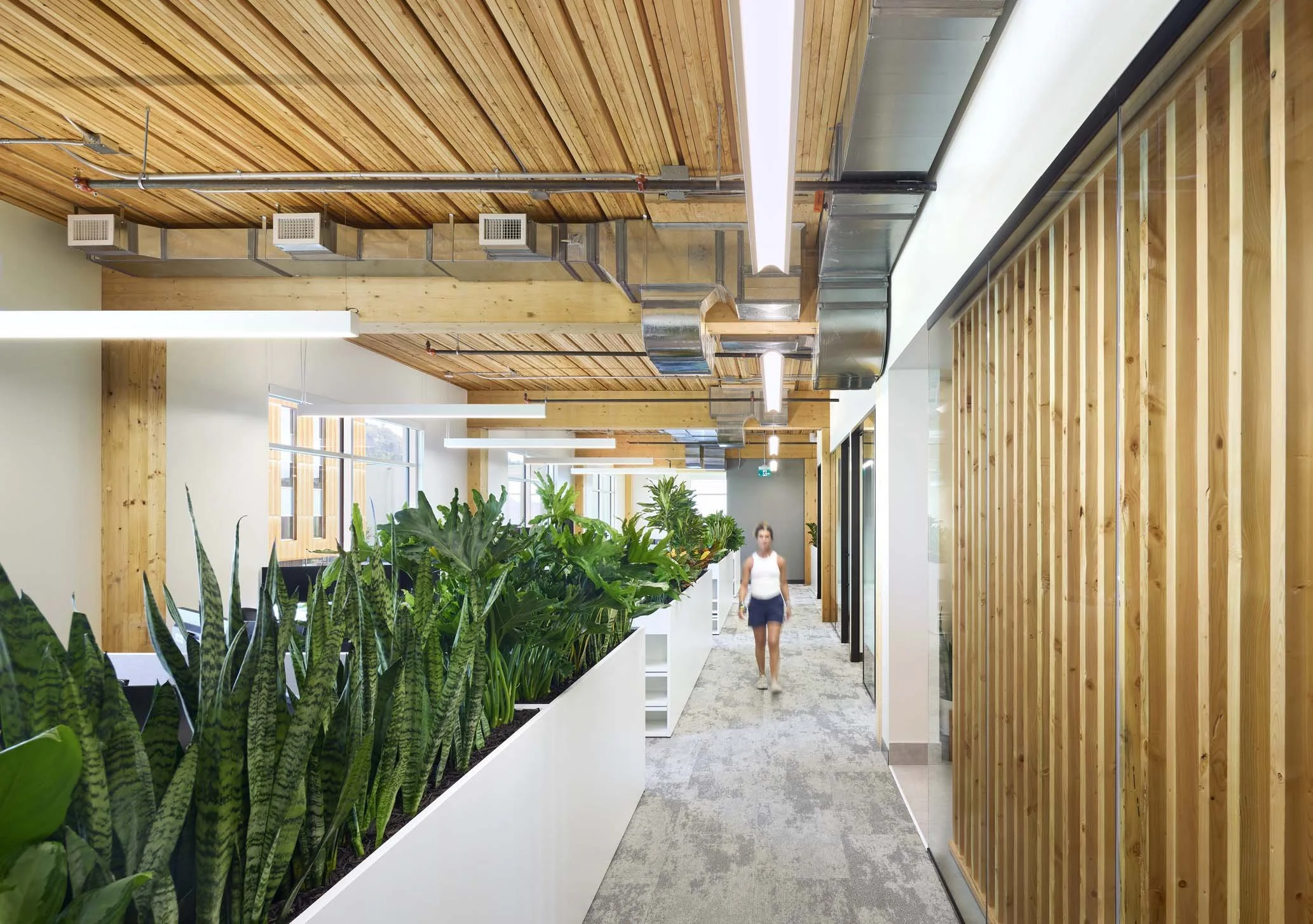
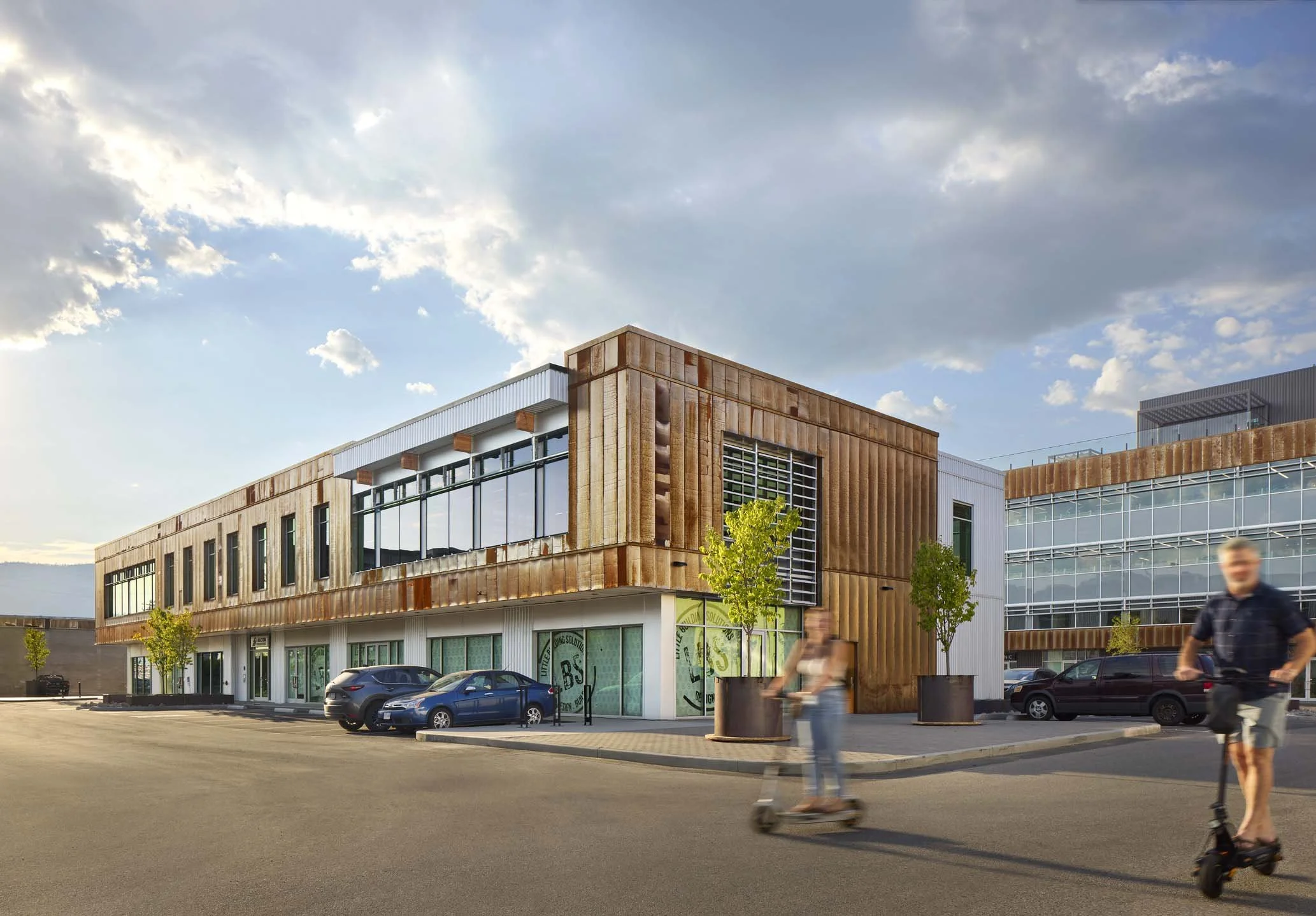
Exposed wood surfaces and plants at the Falcon Engineering offices at the Exchange, a new mass timber development by Faction Projects. (Ed White Photographics / naturallywood.com)
Case study: The Exchange offices
Biophilic design linked with more positive experiences at work—and improved wellbeing
Our ongoing research initiative with Forestry Innovation Investment uncovers the links between human wellbeing and biophilic design features—like exposed wood, connections to nature, and natural daylight—in mass timber buildings.
The study encompasses all types of buildings, including commercial, residential, and community facilities.
In a new mass timber office development in Kelowna, employee surveys uncovered:
87% report higher mental wellbeing at their new office
87% report better collaboration with teammates
97% report the office has a more positive effect on their at-work experiences
Statistically significant links between specific biophilic design features and positive wellbeing outcomes
Assess how public space transformations impact wellbeing
What role do public spaces play in supporting wellbeing? How can cities know when these spaces are successful or not? And how can placemakers make the case for more funding?
Our award-winning Public Life Study tool helps cities, designers, community groups, and advocates measure the impact of public space transformations—gaining data to further strengthen wellbeing and advocate for funding.

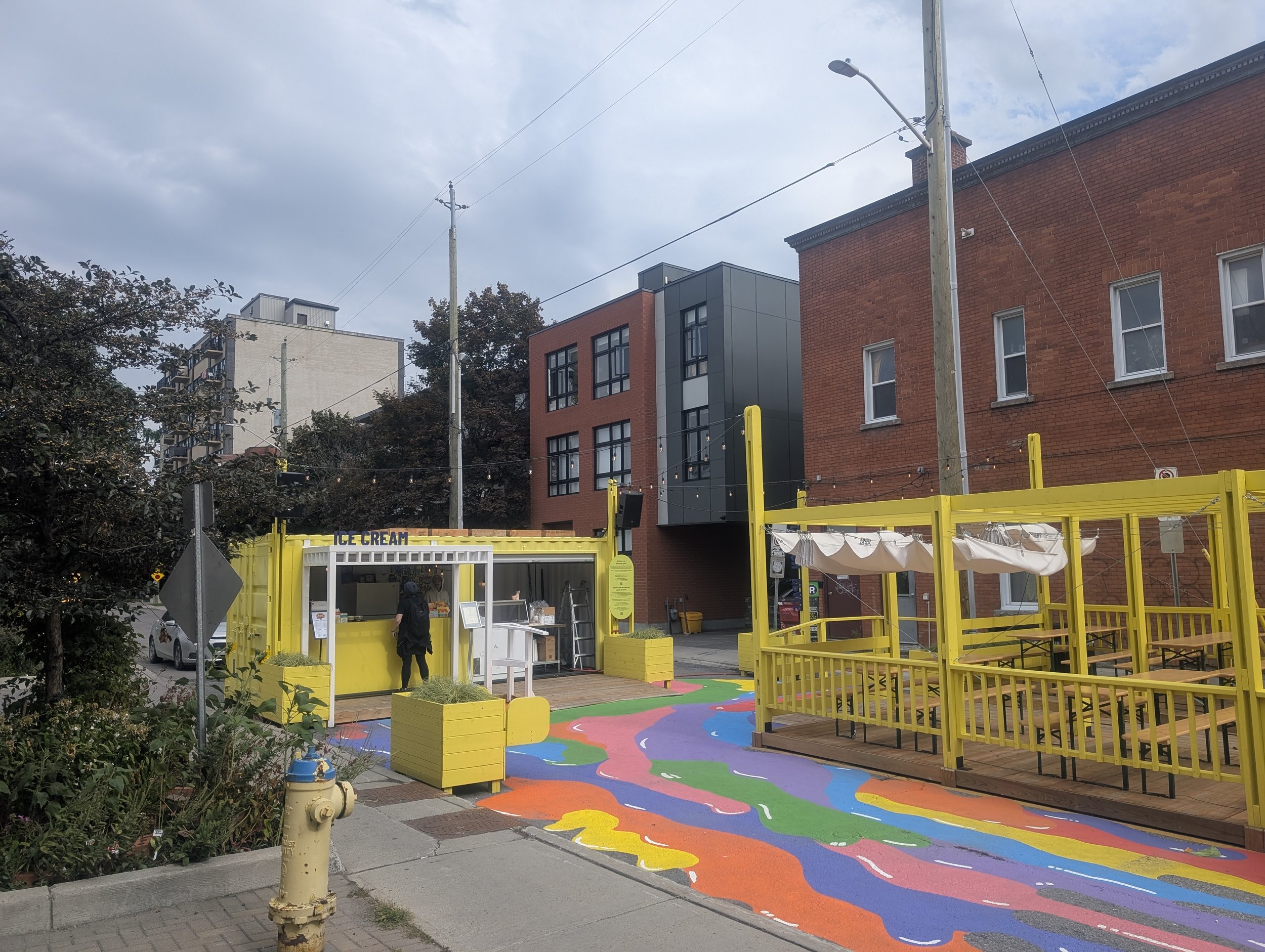
Plaza site with a patio, street mural, and ice cream container. (City of Ottawa)
Case study: Ottawa Street Seats
3.5x more lingering, 43x more laughter
During the summer of 2025, Ottawa converted three street sections along a busy main street into spaces for people, with patios, murals, free events, and shipping container businesses.
Ottawa wanted to measure how the Street Seats program could support the City’s goals of creating safer, more vibrant and inviting streets. Equipped with Happy Cities’ Public Life Study tool, staff conducted surveys and behaviour observations of pedestrians before and after the pilot project to find out. The data helped inform the 2026 edition of the Street Seats program—supporting decision-making grounded in evidence and guided by the community’s experience.
“[The data] showed that not only did people's relationship with space change, but that their openness and trust with others also increased. Being able to demonstrate impacts like these is vital for making the case for why we should invest in reimagining how our public spaces are programmed.”
—Ezra Lipton, Planner II, City of Ottawa
Explore more post-occupancy research
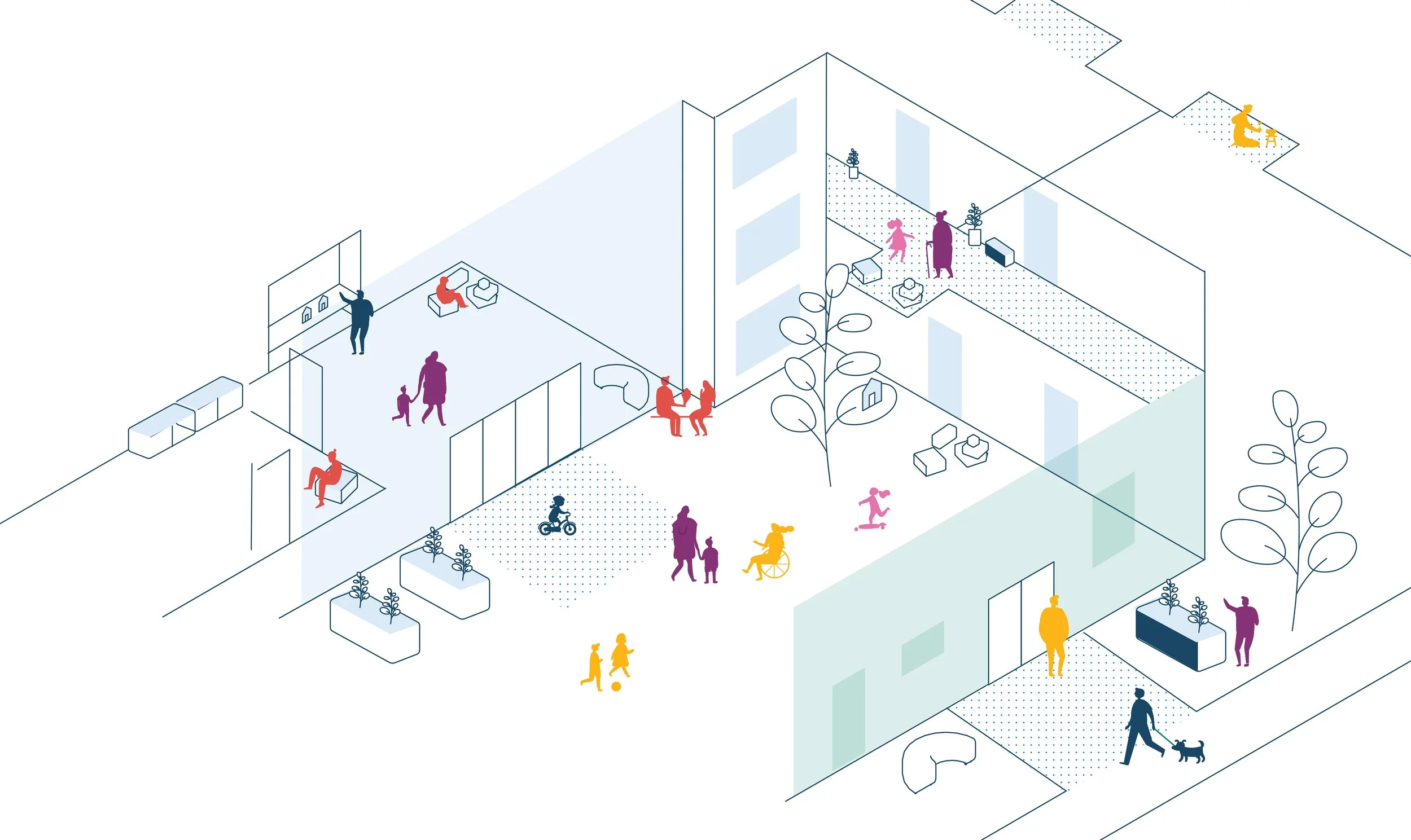





Ready to collect data on an upcoming project?
We’ve worked with municipalities, architects, nonprofits, and community groups across North America to measure the impact of innovative buildings, streets, and public spaces.
Our team of researchers, engagement specialists, and urban designers can work with you to determine the best approach for measuring wellbeing in your community.